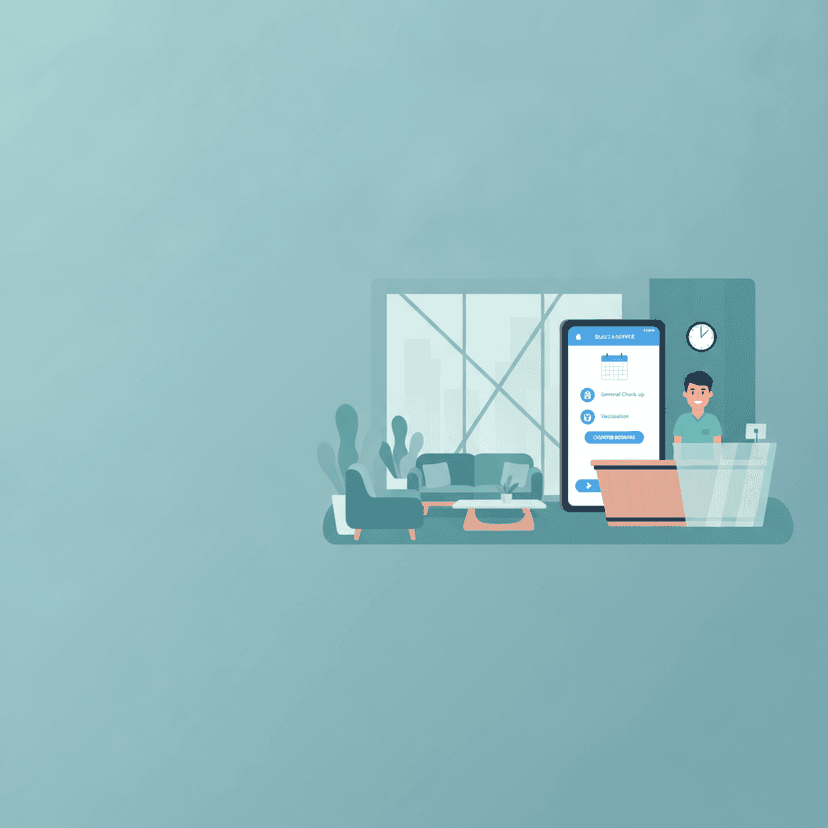
Beyond Chatbots: AI Patient Engagement in Healthcare
Discover how modern AI patient engagement systems transcend simple, rigid chatbots. Learn how integrating conversational AI with your EHR automates scheduling, slashes no-show rates to nearly 0%, and saves hours of administrative work.
AI patient engagement in healthcare refers to secure, multi-channel communication systems that integrate directly with practice management tools. These systems go beyond basic chatbots to automate complex workflows like intake, real-time scheduling, and post-visit follow-ups, reducing administrative burdens while keeping patients actively connected to their care teams.
According to Conversify platform data, 76.9% of patient messages arrive outside standard business hours, leaving traditional front desks unable to respond. Modern AI patient engagement systems solve this by providing 24/7 automated support. Rather than relying on simple, keyword-based triggers, these platforms leverage advanced natural language processing to resolve 98.8% of conversations without requiring human intervention. By deploying these multi-channel engines, medical practices can automate repetitive administrative tasks and reduce overhead costs by up to 50%. This technology does not replace clinical staff; instead, it eliminates the endless loop of phone tag and manual scheduling. Patients receive immediate, secure assistance via SMS, email, or WhatsApp (which accounts for 90.5% of all patient communication volume on our platform), while medical professionals reclaim hours of lost time to focus entirely on clinical outcomes.
Why Do Rule-Based Chatbots Fail Modern Medical Practices?
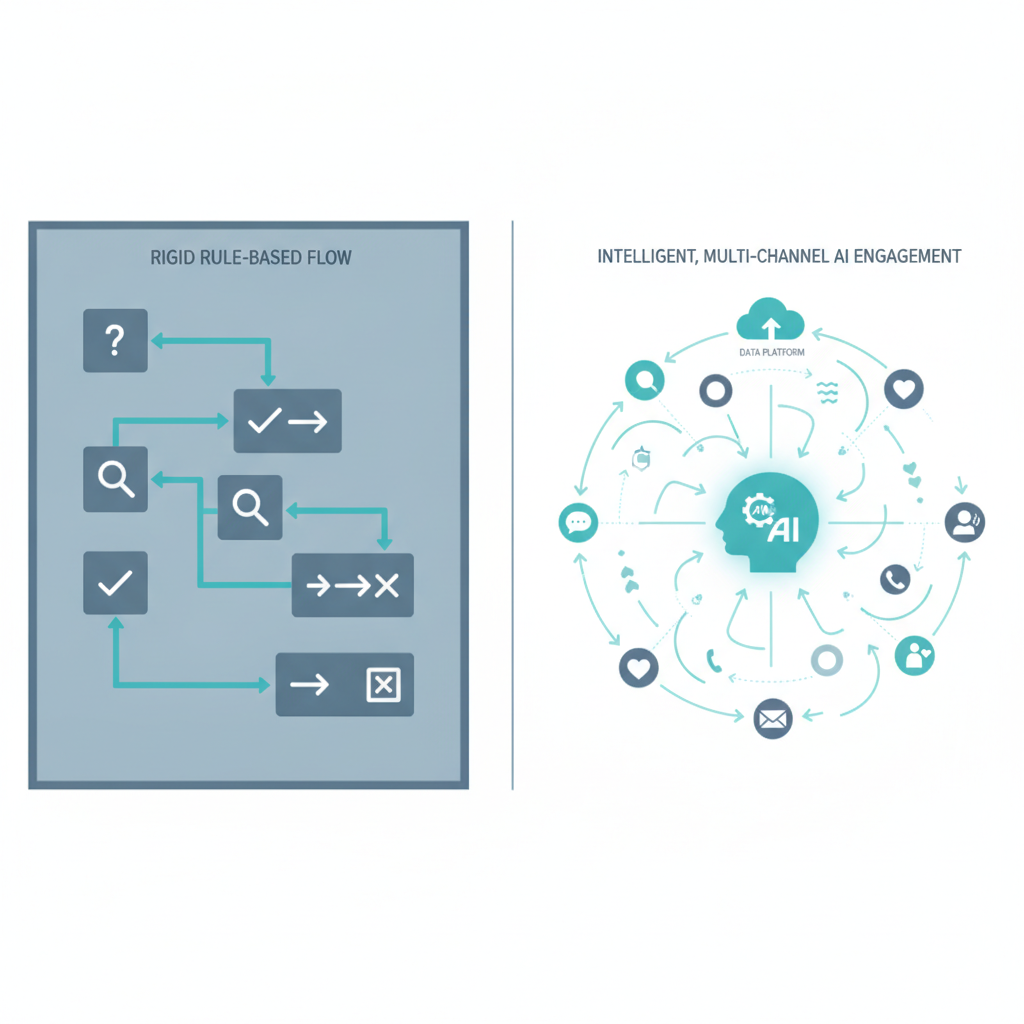
Early adoption of automated communication relied on rigid, rule-based chatbots. These tools present users with pre-defined button choices or search for exact keyword matches. If a patient types something slightly outside the script, like "I need to reschedule because my kid is sick," the system breaks down, leaving the patient frustrated and forcing your staff to step in anyway.
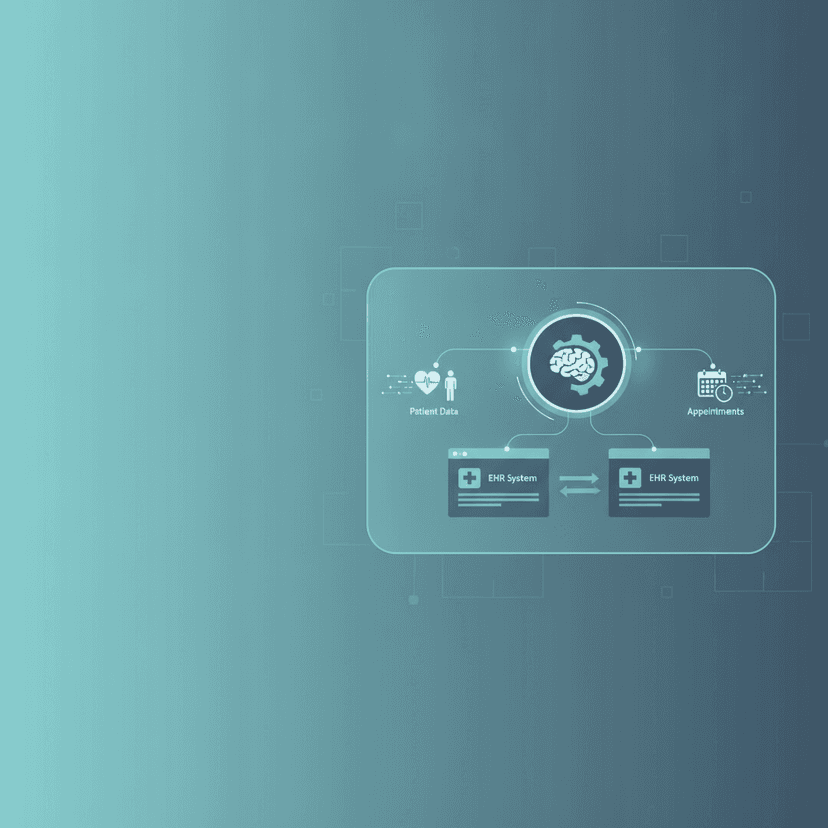
Modern AI patient engagement systems utilize Natural Language Processing (NLP) and machine learning. They understand context, intent, and sentiment. Instead of saying "invalid input," an AI-driven system recognizes a rescheduling request, checks your integrated Electronic Health Record (EHR) in real-time, offers alternative slots, and updates the calendar instantly.
What Are the Core Elements of Modern AI Patient Engagement in Healthcare?
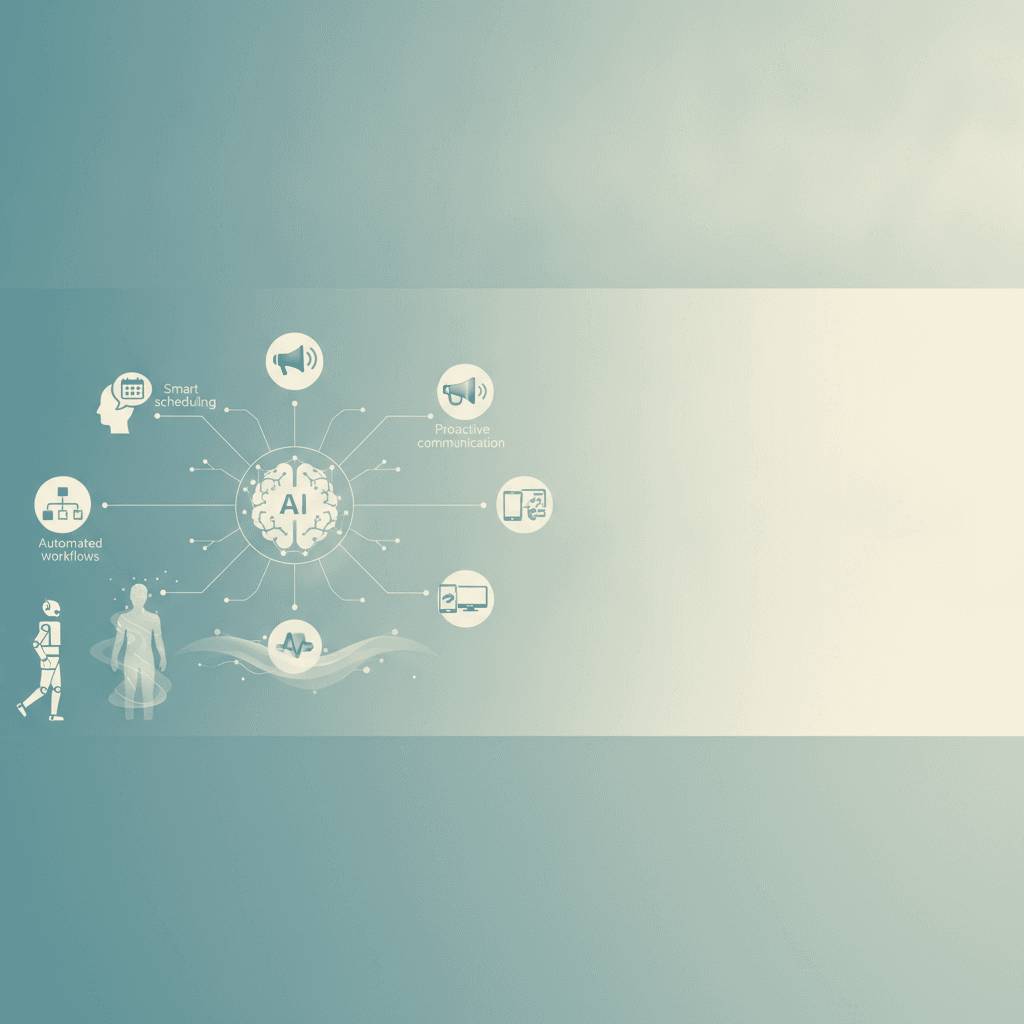
To move beyond basic FAQs, clinics must implement a cohesive ecosystem where AI works across the entire patient journey. Here is how modern practices deploy these tools:
1. Smart Appointment Scheduling and Intelligent Reminders
Instead of static text reminders that simply state the appointment time, AI systems engage in two-way conversations. If a patient replies to a text saying they cannot make it, the AI automatically offers two alternative slots based on your current provider availability. This proactive approach keeps schedules full without manual front-desk outreach.
2. Streamlined Digital Intake and Onboarding
No one likes sitting in a waiting room filling out paper clipboards. AI-driven onboarding sends customized intake links via SMS or email prior to the visit. The AI guides patients through the paperwork, flags missing insurance details, and securely writes the structured data directly back to your practice management system. Features like digital intake forms are standard in modern systems, and you can explore how they are packaged on our pricing plans.
3. Proactive Post-Visit Follow-Ups
For physical therapists, chiropractors, and mental health professionals, patient retention relies heavily on care plan adherence. AI engines automatically trigger personalized follow-up messages checking in on recovery progress, reminding patients of home exercises, or prompting them to schedule their next recommended session. You can discover more strategies on maintaining care continuity in our related articles.
How Do You Implement AI Patient Engagement in a Private Practice?
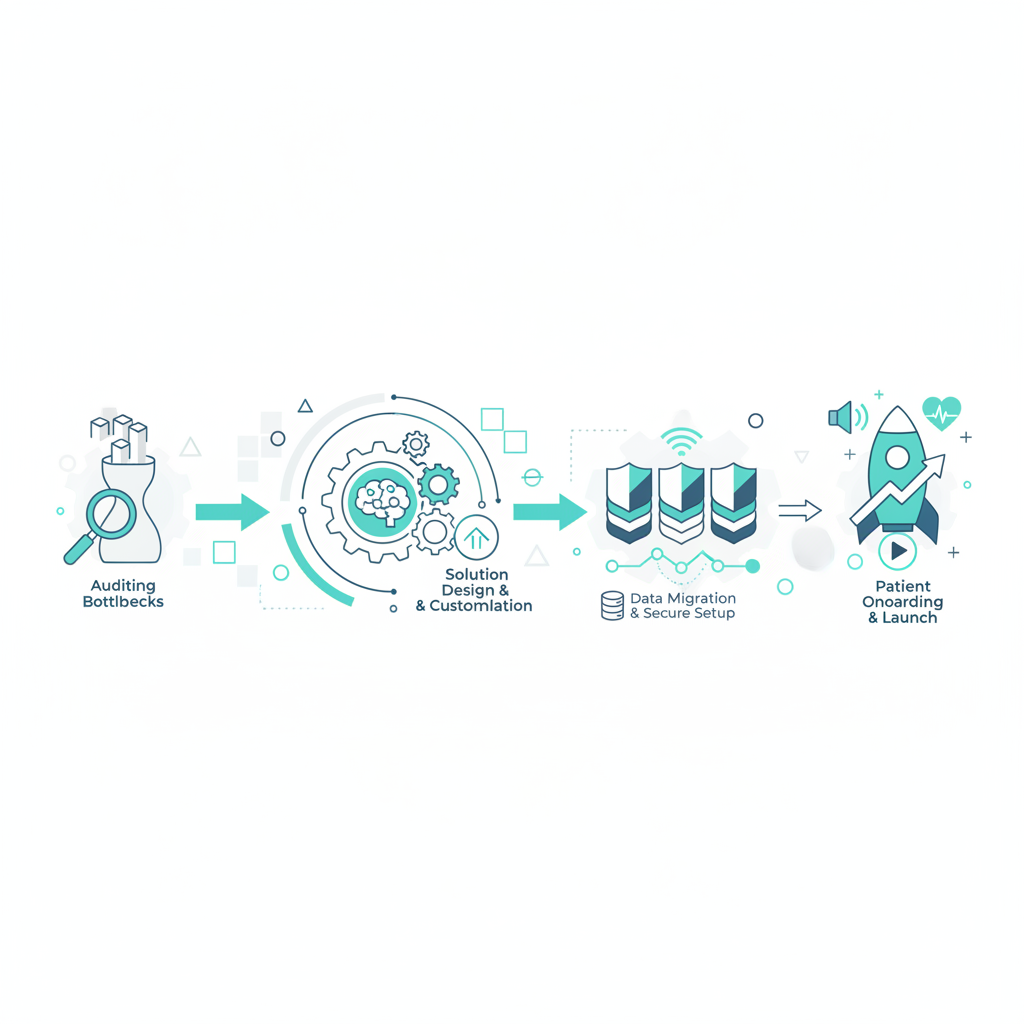
Transitioning to an AI-enabled communication workflow does not require a complete overhaul of your existing systems. Follow this step-by-step roadmap to implement these tools smoothly:
1. Audit Your Administrative Bottlenecks: Track where your front-desk staff spends the most time. Is it answering phone calls, chasing down intake forms, or managing appointment cancellations?
2. Identify Integration Compatibility: Choose an AI engagement platform that integrates natively with your existing EHR or Practice Management System (PMS) to ensure real-time data syncing.
3. Map Your Communication Journeys: Design your automated workflows. Decide exactly when a patient should receive an intake form, how many days before an appointment a reminder should go out, and what triggers a post-visit check-in.
4. Set Up Escalation Rules: Define clear boundaries for the AI. Ensure that any clinical medical questions or complex billing disputes are immediately and seamlessly routed to a live team member.
5. Monitor and Refine via Analytics: Review your communication dashboard monthly. Look at open rates, response times, and the percentage of issues resolved by automation to continuously optimize your messaging templates.
How Do Top AI Patient Engagement Platforms Compare?
When looking to upgrade your practice's communication, it helps to understand how different classes of software stack up against one another:
| Feature/Capability | Legacy EHR Portals (e.g., SimplePractice, TheraNest) | General Business Messengers (e.g., Podium, Birdeye) | Conversify AI Patient Engagement Platform |
|---|---|---|---|
| Primary Focus | Clinical documentation and billing | Review acquisition and basic web chat | Holistic patient journey automation |
| HIPAA Compliance | Yes, built-in | Often requires expensive enterprise plans | Yes, built-in with signed BAAs |
| EHR Integration | Native (but often closed to outside tools) | Very limited or via basic Zapier links | Deep, bi-directional syncing |
| Conversational AI | No (mostly static templates) | Basic rule-based chatbots | Advanced, context-aware NLP engines |
| Multi-Channel Workflows | Limited to portal messaging and basic email | Strong SMS, lacking clinical workflow depth | Comprehensive SMS, email, and secure portals |
| Cost Structure | Included in EHR, but rigid features | Expensive annual contracts ($300+/mo) | Value-driven plans starting at $29/mo with unlimited seats |
Real-World Impact: What the Numbers Say
Transitioning to automated, AI-driven workflows yields measurable improvements for both solo practitioners and multi-provider clinics.
Consider a multi-provider dental practice that integrated automated, multi-channel scheduling and intake. By allowing patients to complete intake forms on their phones prior to arriving, the clinic reduced check-in times by 60%. Additionally, the AI-driven two-way SMS reminder system cut their monthly no-show rate dramatically. In fact, our internal data shows that practices using Conversify see a 0% no-show rate across 3219 appointments, compared to the 12% to 18% industry average without automated reminders.
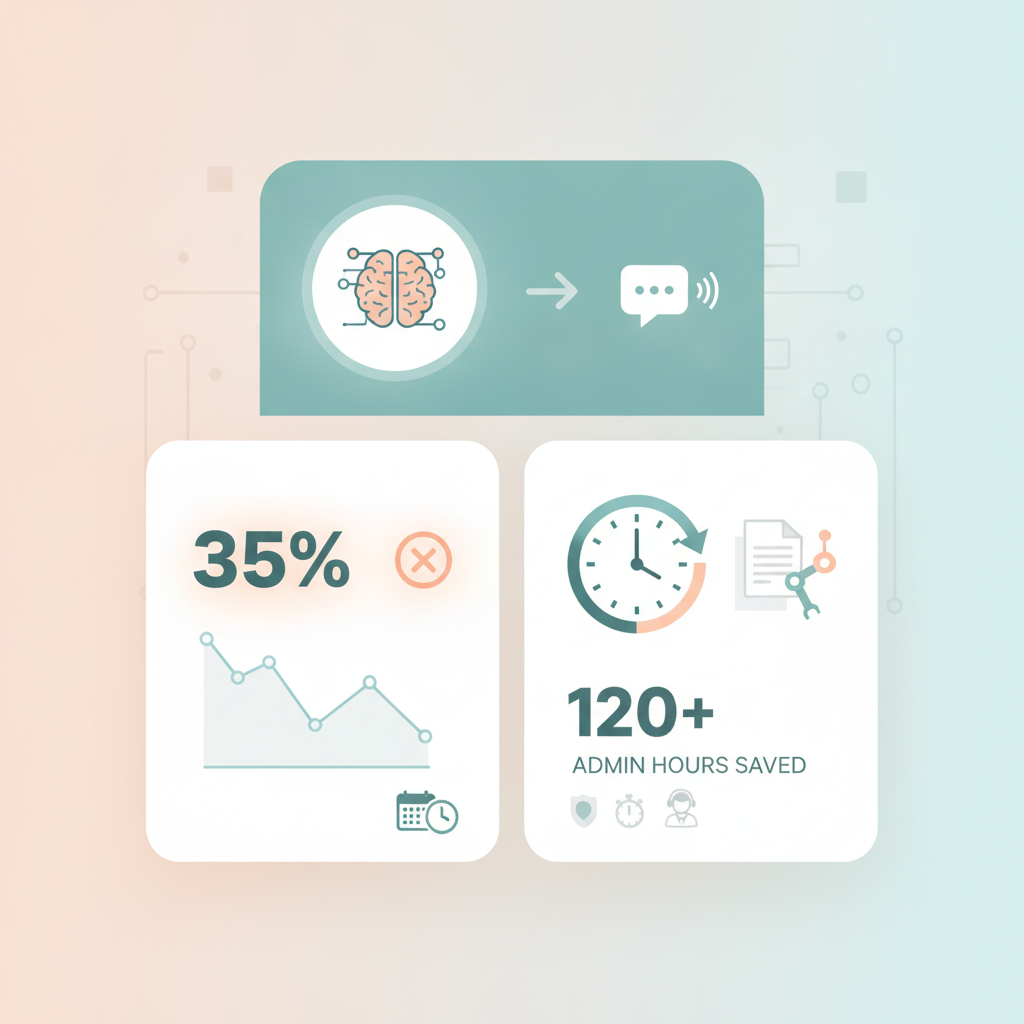
For solo therapists and counselors, the savings are measured in reclaimed time. Automating the initial FAQ response and clinical intake process can save an average of 6 to 8 hours of administrative work per week. That is time that can be reinvested directly into billing more client hours or preventing clinical burnout.
Unlocking the Future of Patient Care
The shift from passive, clunky chatbots to proactive, integrated AI patient engagement is no longer a futuristic luxury; it is an operational necessity. By offloading the constant logistical burden of scheduling, intake, and follow-ups to intelligent systems, you create a seamless experience that modern patients expect. Most importantly, you free your clinical team to focus on what they do best: delivering exceptional, face-to-face patient care. Learn more about our mission on the About Conversify page.
Frequently Asked Questions
What is the difference between a medical chatbot and AI patient engagement?
Traditional medical chatbots are rigid, rule-based systems that can only answer simple, pre-scripted questions. In contrast, modern AI patient engagement systems use natural language processing to understand patient context, integrate directly with EHRs to schedule appointments, manage digital intake, and automate multi-channel follow-up workflows.
Is AI patient engagement compliant with HIPAA regulations?
Yes, professional AI patient engagement platforms are fully compliant with HIPAA regulations. They secure patient data using advanced encryption, offer secure communication channels for protected health info (PHI), and sign Business Associate Agreements (BAAs) with practices to ensure legal compliance.
Can AI patient engagement integrate with my existing Practice Management System (PMS)?
Most modern AI patient engagement platforms feature bi-directional integration with major EHR and PMS software. This allows the AI to read provider availability, write scheduled appointments directly to your calendar, and upload patient intake data without manual data entry.
How does AI help reduce appointment cancellations and no-shows?
AI reduces no-shows by sending automated, multi-channel reminders (via SMS and email) and allowing patients to reschedule through two-way conversational texting. If a patient indicates they cannot make it, the AI instantly offers alternative open slots, keeping your schedule optimized without manual staff outreach.
Do older patients adopt AI-driven communications like SMS and digital intake?
Yes, data shows that patients across all demographics, including seniors, show high adoption rates for SMS-based communications. Mobile-friendly, intuitive digital forms eliminate the need to download clunky patient portal apps, making the process highly accessible for older populations.
David Friedman - Founder, Conversify · LinkedIn
David Friedman is a B2B operations leader with over 10 years of experience managing large-scale teams and business processes. After years of working with service businesses and seeing how much time was lost to manual customer communication, he founded Conversify, an AI-powered platform that helps healthcare practices and service providers across Europe automate their patient and client interactions. David built the platform from the ground up, working directly with practicing healthcare professionals to ensure every feature solves a real operational pain point. He is based in Spain.