What Are the Real Benefits of AI in Patient Communication?
Discover the critical benefits of AI in patient communication. Grounded in peer-reviewed clinical research, this article details how AI reduces no-show rates, cuts documentation workload, and elevates patient satisfaction.
The primary benefits of AI in patient communication include reducing patient no-show rates by up to 35 percent, lowering clinician burnout from 51.9 percent to 38. Utilizing these tools allows clinics to offer 24/7 responsiveness without hiring extra staff. In fact, 66.83 percent of healthcare organizations leveraging AI to analyze conversational data report significantly faster resolution times [2]. This technology bridges the gap between busy administrative staff and patient expectations, providing a modern, frictionless digital experience. Furthermore, studies show that AI-generated responses to patient queries achieve significantly higher satisfaction ratings of 3.96 out of 5 compared to 3.05 out of 5 for manual clinician drafts [9]. For independent clinics, specialty practices, and mental health professionals, adopting these tools is no longer just an option; it is a necessity for financial survival and clinical efficiency. Explore our pricing plans to find a solution tailored for your practice, or read more related articles on our blog.
How Does AI Improve Patient Communication and Satisfaction?
Patient satisfaction is heavily influenced by response quality, speed, and empathy. Traditional patient portals often leave patients waiting days for brief, clinical answers. AI-driven patient communication tools transform this dynamic by providing detailed, compassionate, and highly accurate drafts that clinicians can quickly review and send. A landmark 2023 study published in JAMA Internal Medicine evaluated written responses from physicians and ChatGPT to real-world health questions posted on a public social media forum [1]. The results were staggering: healthcare professional evaluators preferred the AI chatbot responses to physician responses 78.6 percent of the time [1]. Furthermore, the evaluators rated the AI responses as significantly higher in quality and empathy, with the AI responses scoring 9.8 times higher for being empathetic or very empathetic [1]. This preference for AI-assisted communication is also evident in direct clinical settings. A 2024 cross-sectional study in JAMA Network Open evaluated patient queries in electronic health records (EHR) and found that patient satisfaction estimates were significantly higher for AI-generated responses (3.96 out of 5) than for clinician responses (3.05 out of 5) [9]. The research suggests that the longer, more detailed information provided by AI-generated drafts contributed to these higher satisfaction scores [9]. 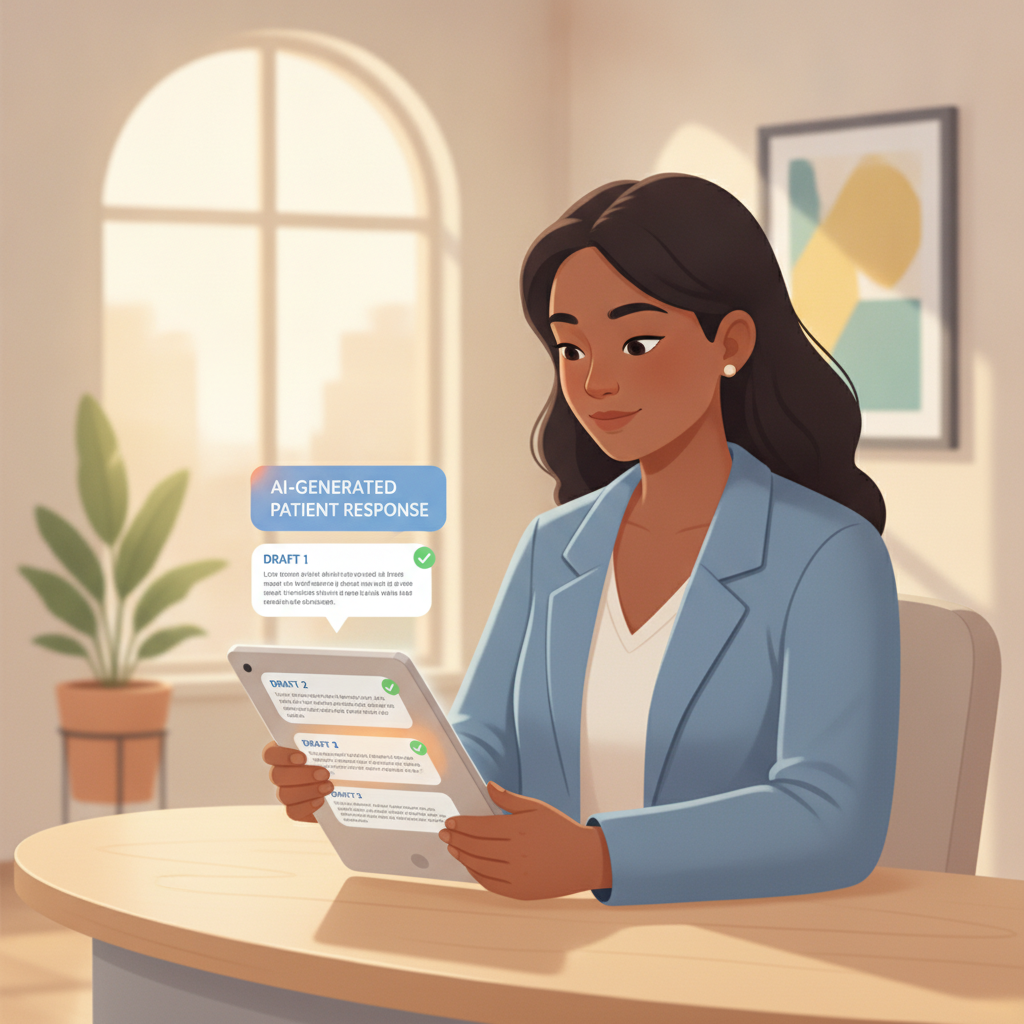
Can AI Communication Tools Reduce Patient No-Show Rates?
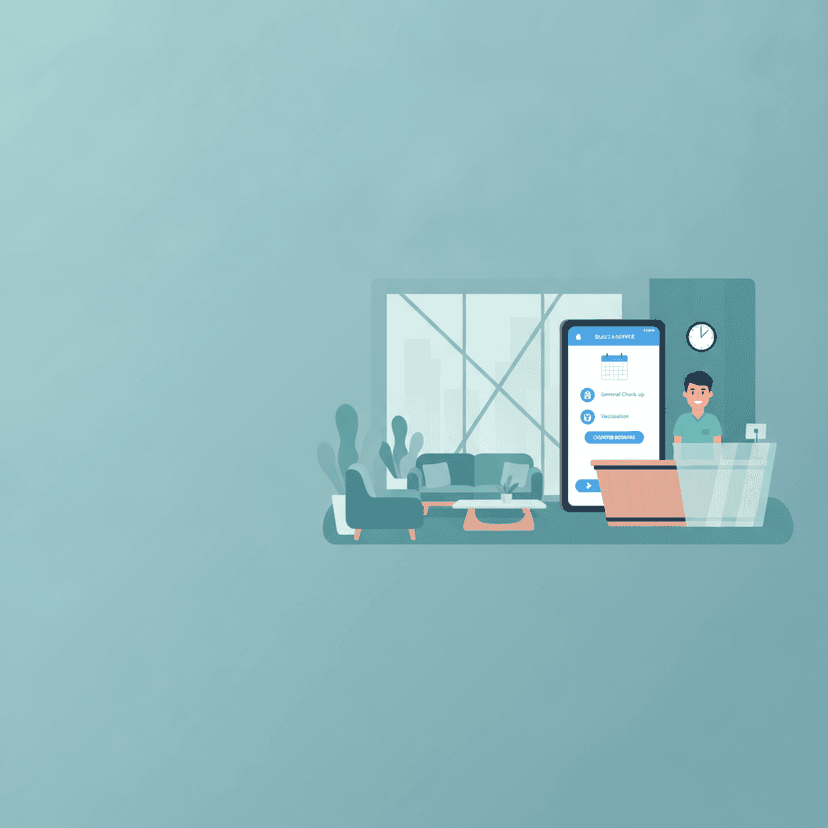
Missed appointments are a massive financial drain on private practices. Traditional one-way broadcast reminders often fail because patients cannot easily reply to reschedule or explain barriers to care. AI-powered bidirectional messaging solves this issue by enabling interactive, real-time conversations. According to a report by the Journal of General Internal Medicine, bidirectional or two-way SMS reminders reduce patient no-show rates by 23 percent more than traditional one-way broadcast messages [10]. Enabling patients to instantly confirm, reschedule, or communicate barriers directly through the reminder message allows clinics to proactively manage their schedules [10]. Real-world implementations demonstrate the massive financial impact of these systems: - General Medicine Impact: El Rio Health, an Arizona-based federally qualified health center, deployed a bidirectional voice and SMS reminder system [3]. Within nine months of deployment, the clinic reduced patient no-show rates by 32 percent and increased monthly revenue by nearly $100,000 [3].
- Dental Practice Impact: Research published by DentalAIAssist indicates that dental practices implementing AI-driven reminder systems report up to a 35 percent reduction in no-show rates within the first six months [4]. These systems leverage machine learning to analyze patient demographics, appointment history, and behavioral patterns to optimize the timing and frequency of reminders [4].
How Does AI Patient Communication Combat Clinician Burnout?
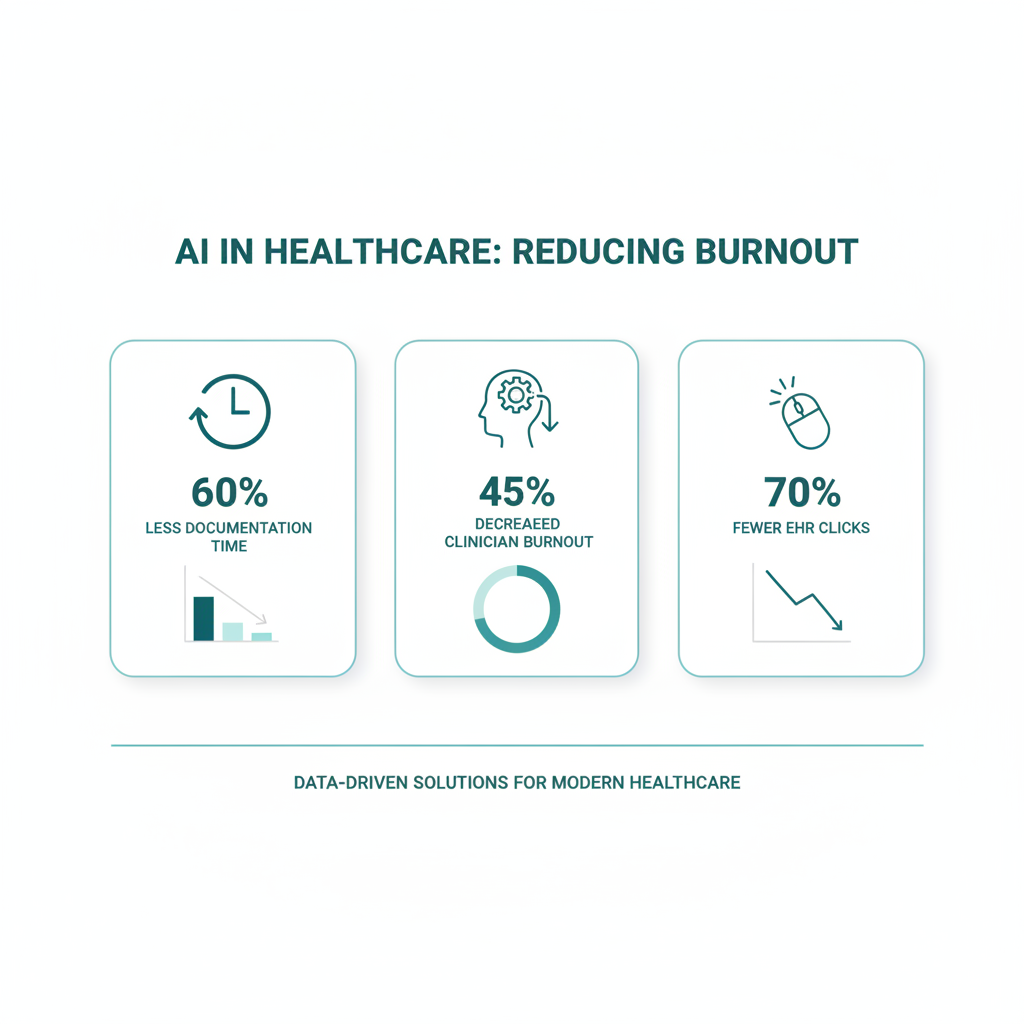
Administrative overload is the leading driver of clinician burnout. Between documenting visits, responding to portal messages, and navigating complex electronic health records, providers spend hours on screens instead of with patients. AI automation acts as a digital assistant, offloading these repetitive tasks. A 2025 study on ambient AI scribes published in JAMA Network Open found that clinician burnout dropped significantly from 51.9 percent to 38.8 percent after just 30 days of use [5]. The quality improvement study of 263 clinicians across six healthcare systems showed that ambient AI tools successfully reduced administrative burdens and allowed providers to focus more attention on patients [5]. AI alleviates administrative burdens across multiple clinical workflows: - Documentation and Drafting: A study by the University of Texas found that AI automation can reduce clinician documentation time by up to 40 percent, giving providers back several hours per day [12]. Additionally, a University of California San Diego School of Medicine study published in JAMA Network Open in 2024 found that while generative AI-drafted replies did not reduce physician response time, they significantly relieved cognitive burden by starting empathetic drafts [8]. Physicians highly appreciated having an AI-generated draft to edit rather than starting patient message replies from scratch [8].
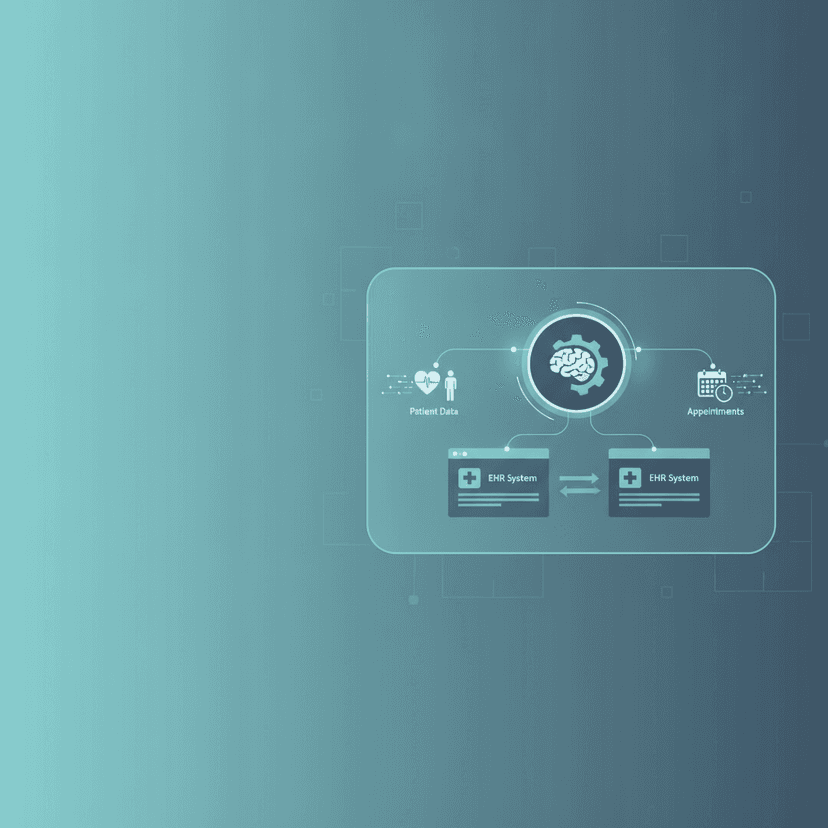
- EHR Navigation: Implementing AI-enabled voice navigation in electronic health records can reduce the number of clicks required to submit a clinical order by 80 percent on average, according to data from athenahealth [11]. This allows clinicians to dictate orders and navigate charts hands-free [11].
- Nursing Support: A study by Accenture found that artificial intelligence can perform up to 30 percent of the administrative tasks that typically fall to nurses [7]. Offloading repetitive tasks like scheduling and routine communication helps combat the nursing shortage and allows clinicians to dedicate more time to direct patient care [7].
How Can Practices Eliminate Unanswered Calls and Capture Leads?
For private practices, every missed call is a missed patient. Front-desk staff are often overwhelmed during peak hours, leading to a high rate of unanswered inquiries. Data from MGMA reveals that 34 percent of patient calls to healthcare offices go unanswered during standard business hours [6]. This massive gap in patient access can be completely eliminated by AI-powered virtual receptionists that provide 24/7 coverage [6]. By capturing after-hours inquiries and handling peak-hour call volumes, AI receptionists reduce missed calls by 30 percent to 50 percent [6].
How to Implement AI in Your Patient
Communication Workflow Transitioning to an AI-enabled communication workflow does not have to be disruptive. By following a structured approach, your practice can smoothly integrate these tools: - Identify Communication Bottlenecks: Analyze your current front-desk metrics.
- Enable Bidirectional Automated Reminders: Replace one-way broadcast reminders with bidirectional SMS and voice systems that allow patients to confirm, cancel, or reschedule automatically.
- Deploy Ambient AI Scribes and Drafts: Introduce ambient AI tools in the exam room to reduce documentation time, and use AI-generated drafts to respond to portal messages.
- Train Staff and Monitor Performance: Train your administrative and clinical staff to act as editors and supervisors of the AI, reviewing drafts and voice logs to maintain a personal touch while saving time.
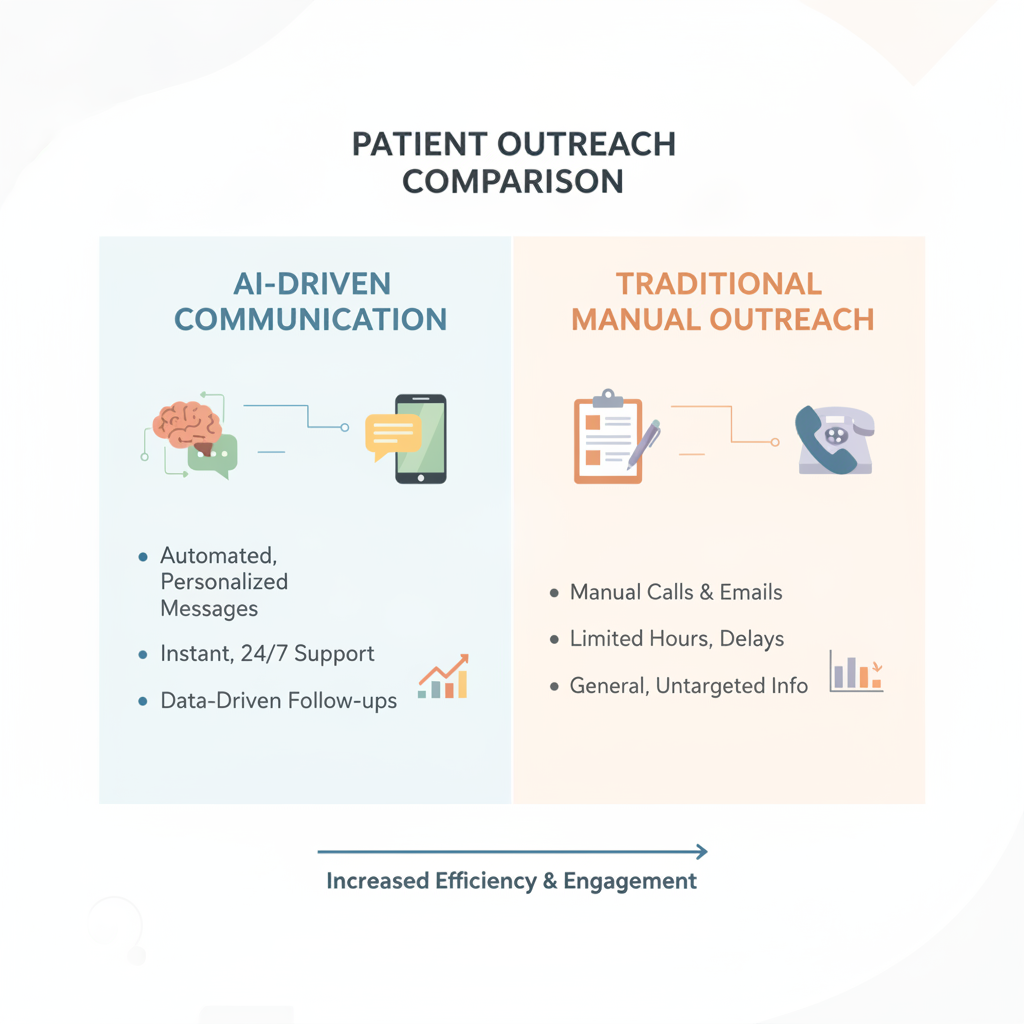
| Feature | Traditional Patient Communication Platforms | AI-Powered Patient Communication Systems |
|---|---|---|
| Response Generation | Manual templates or custom typing required | Instant, highly empathetic drafts generated automatically [1] |
| No-Show Prevention | One-way automated broadcast reminders | Bidirectional, machine-learning optimized SMS reminders [4], [10] |
| After-Hours Coverage | Voicemail or basic auto-replies | Interactive AI Virtual Receptionist with 24/7 call resolution [6] |
| Documentation Support | Manual entry into EHR systems | Ambient AI scribing and voice navigation (reducing clicks by 80%) [5], [11] |
Frequently Asked Questions
Do patients prefer AI-generated communication over human responses?
Yes, in many scenarios. A study published in JAMA Internal Medicine found that healthcare professional evaluators preferred AI chatbot responses to physician responses 78.6 percent of the time, rating AI replies higher in both quality and empathy [1]. Additionally, patient satisfaction scores are significantly higher for AI-drafted messages due to their detailed nature [9].
How much can AI reduce patient no-show rates?
AI-driven bidirectional reminder systems can reduce patient no-show rates by up to 35 percent within six months [4]. This is achieved by leveraging machine learning to analyze patient behavior and optimize communication timing [4]. Furthermore, two-way SMS reminders are 23 percent more effective than traditional one-way broadcasts [10].
Can AI communication tools help reduce medical staff burnout?
Yes, AI tools significantly reduce administrative burdens. Research shows that implementing ambient AI scribes can drop clinician burnout from 51.9 percent to 38.8 percent in just 30 days [5]. AI automation also cuts documentation time by up to 40 percent [12] and reduces EHR clinical order clicks by 80 percent [11].
What percentage of medical office calls go unanswered without AI?
According to data from MGMA, approximately 34 percent of patient calls to healthcare offices go unanswered during standard business hours [6]. Implementing an AI-powered virtual receptionist provides 24/7 coverage, eliminating this gap and reducing missed calls by 30 percent to 50 percent [6].
Can AI assist nurses with daily clinical and administrative workloads?
Yes, artificial intelligence can perform up to 30 percent of the administrative tasks that typically fall to nurses [7]. Offloading repetitive tasks like scheduling and routine communication helps combat the nursing shortage, allowing clinicians to dedicate more time to direct patient care [7].
Does AI speed up the time it takes for doctors to reply to messages?
While generative AI-drafted replies do not directly reduce total physician response time, they significantly relieve cognitive burden [8]. Having an AI-generated draft to edit, rather than starting patient message replies from scratch, makes the communication workflow much more manageable for providers [8]. Deploying AI in patient communication marks a pivotal shift toward highly responsive, empathetic, and streamlined care. By implementing automated, bidirectional tools and ambient support, private practices can simultaneously boost their financial performance, capture missed revenue, and significantly reduce the administrative burden on clinical staff.
Sources
David Friedman - Founder, Conversify · LinkedIn
David Friedman is a B2B operations leader with over 10 years of experience managing large-scale teams and business processes. After years of working with service businesses and seeing how much time was lost to manual customer communication, he founded Conversify, an AI-powered platform that helps healthcare practices and service providers across Europe automate their patient and client interactions. David built the platform from the ground up, working directly with practicing healthcare professionals to ensure every feature solves a real operational pain point. He is based in Spain.