How to Automate Follow-Up Texts for Patients Post-Treatment
Automating follow-up texts for patients post-treatment is a proven way to reduce hospital readmissions, save staff hours, and meet modern digital expectations.
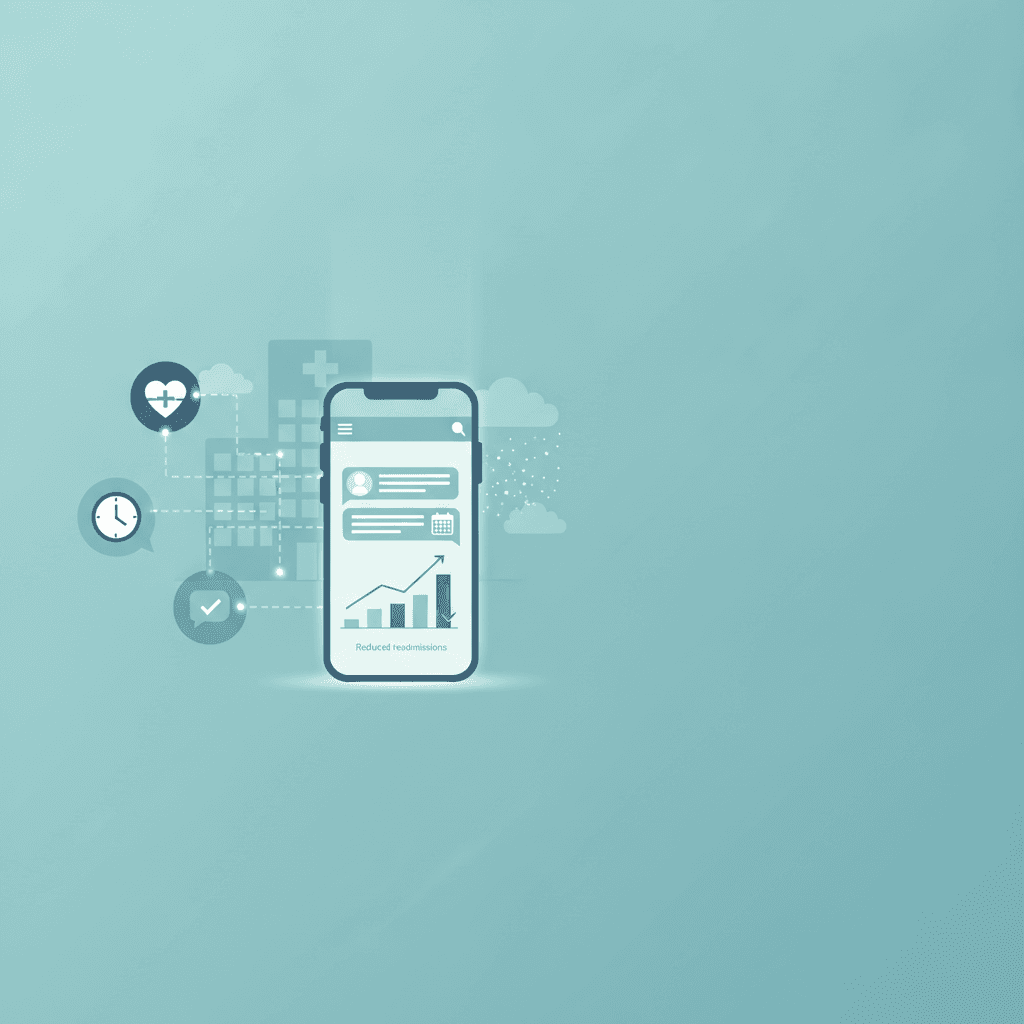
Automating follow up texts for patients involves integrating HIPAA compliant messaging software with your EHR system to trigger scheduled SMS check ins after discharge. This modern approach reduces readmission odds by 55% [1] and achieves an outstanding 98% open rate [4], keeping patients engaged without placing an administrative burden on your clinic staff. By setting up automated follow up texts for patients related articles, healthcare providers can replace time consuming manual phone calls with instant, structured mobile touchpoints. Research from the University of Pennsylvania shows that 82.8% of patients respond to these automated check ins [2], while only 8.6% choose to opt out [2]. This confirms that patients find digital messaging highly acceptable during recovery. Implementing these automated workflows ensures consistent post-treatment care. Whether you manage a private mental health practice or a physical therapy clinic, automated messaging bridges the communication gap. It keeps patients connected, coordinates recovery steps, and gathers essential feedback automatically.
Why Automated Follow-Up Texts are Essential
for Recovery Post-treatment recovery is a critical window where patients often feel vulnerable or confused about their care plans. Traditional follow up methods, like phone calls, frequently go unanswered. In contrast, text messages in the healthcare and social assistance sector achieve an average open rate of 98%, with 90% of texts read within 3 minutes of receipt [4]. This rapid visibility ensures that critical recovery instructions are seen immediately, unlike emails which only see open rates of 12% to 20% in healthcare settings [4]. The clinical impact of this immediate communication is profound. A 30-day automated text messaging program sent to patients after hospital discharge led to a 55% reduction in the odds of 30-day readmission [1]. Furthermore, a study published in the Journal of the American Academy of Orthopaedic Surgeons Global Research & Reviews found that 95.5% of patients felt more connected to their care team when receiving text updates [3]. This connection improves patient compliance and peace of mind. 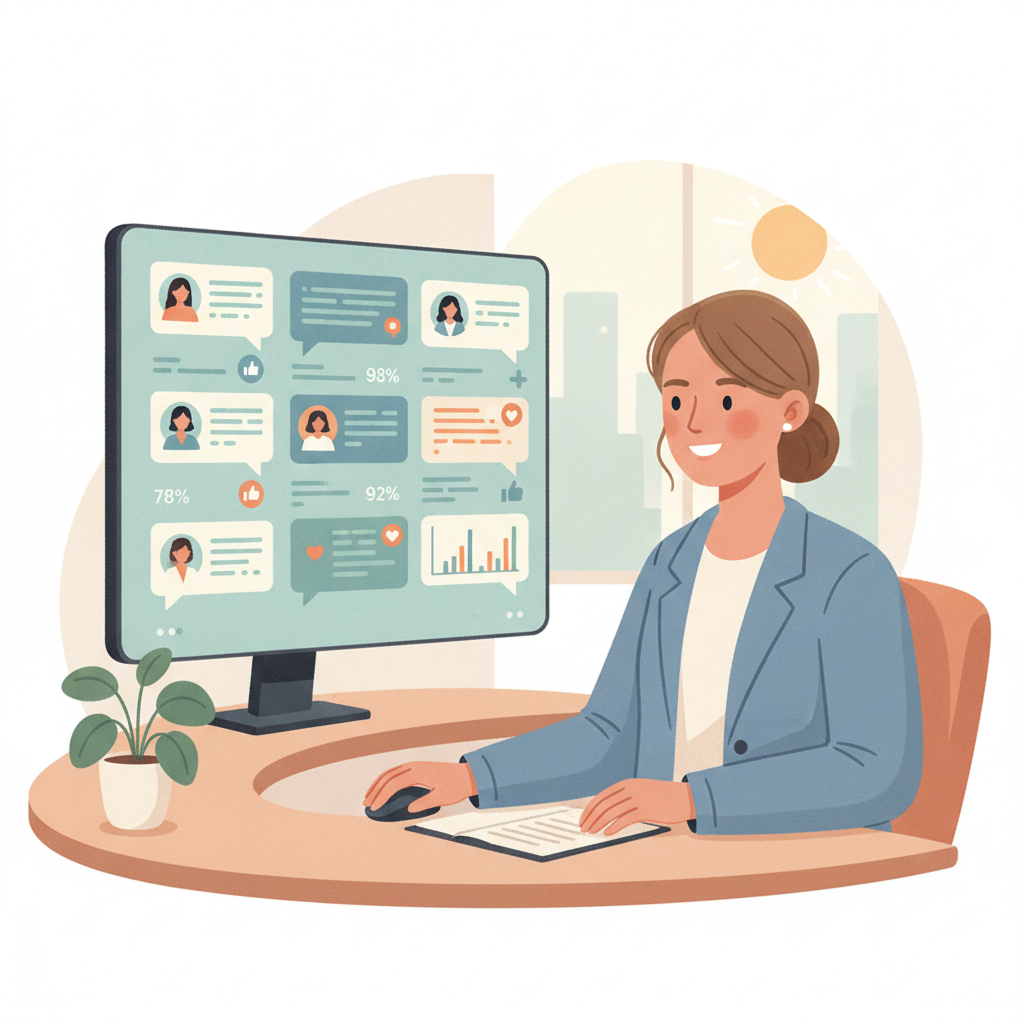
How to Set Up Automated Post-Treatment
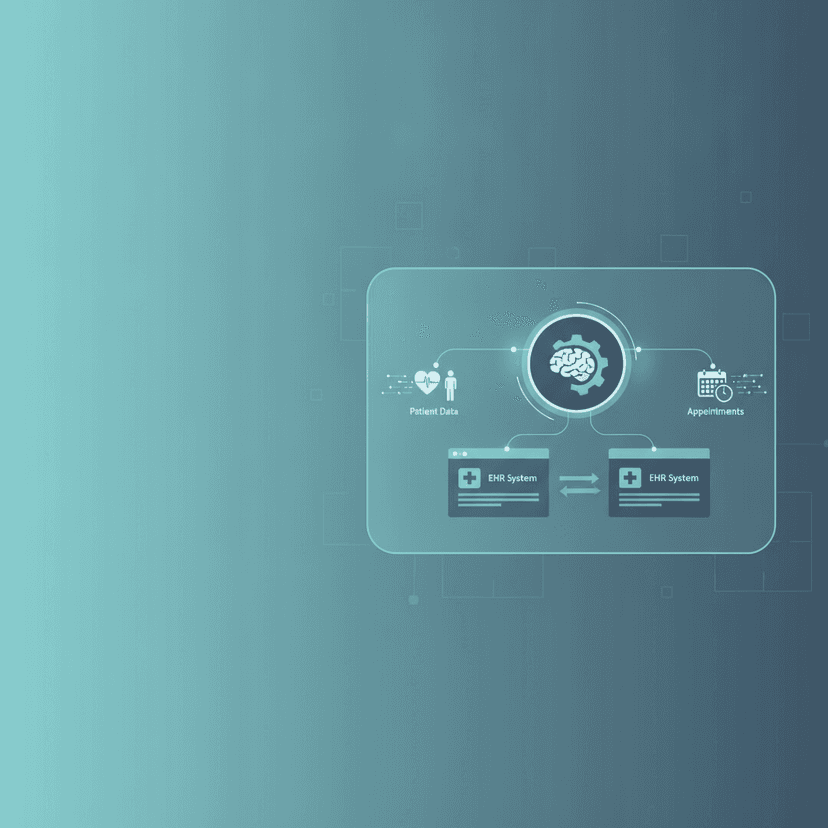
Texting Transitioning to an automated patient communication system is straightforward when using the right tools. By integrating your patient communication platform with your existing Electronic Health Record (EHR) system, you can build a seamless workflow that operates in the background. Here is how to set up an effective post-treatment automated texting program: * Integrate your communication platform with your EHR: Connect your messaging software to your EHR to automatically sync patient contact information and discharge dates.
- Establish clear trigger events: Define the exact moment the automation should begin, such as immediately upon clinical checkout or 24 hours post-discharge.
- Draft clear and personalized templates: Create pre-written message templates that address common recovery questions, care instructions, and appointment reminders.
- Implement a multi-day cadence: Schedule automated check-ins over a 30-day period to monitor the patient's recovery progress continuously.
- Include interactive response options: Allow patients to easily reply with simple answers, which helps maintain high engagement.
- Create an escalation path for clinical staff: Ensure that if a patient replies with a red flag or an urgent question, the system routes the message to a live practitioner.
The Administrative Benefits of SMS Automation
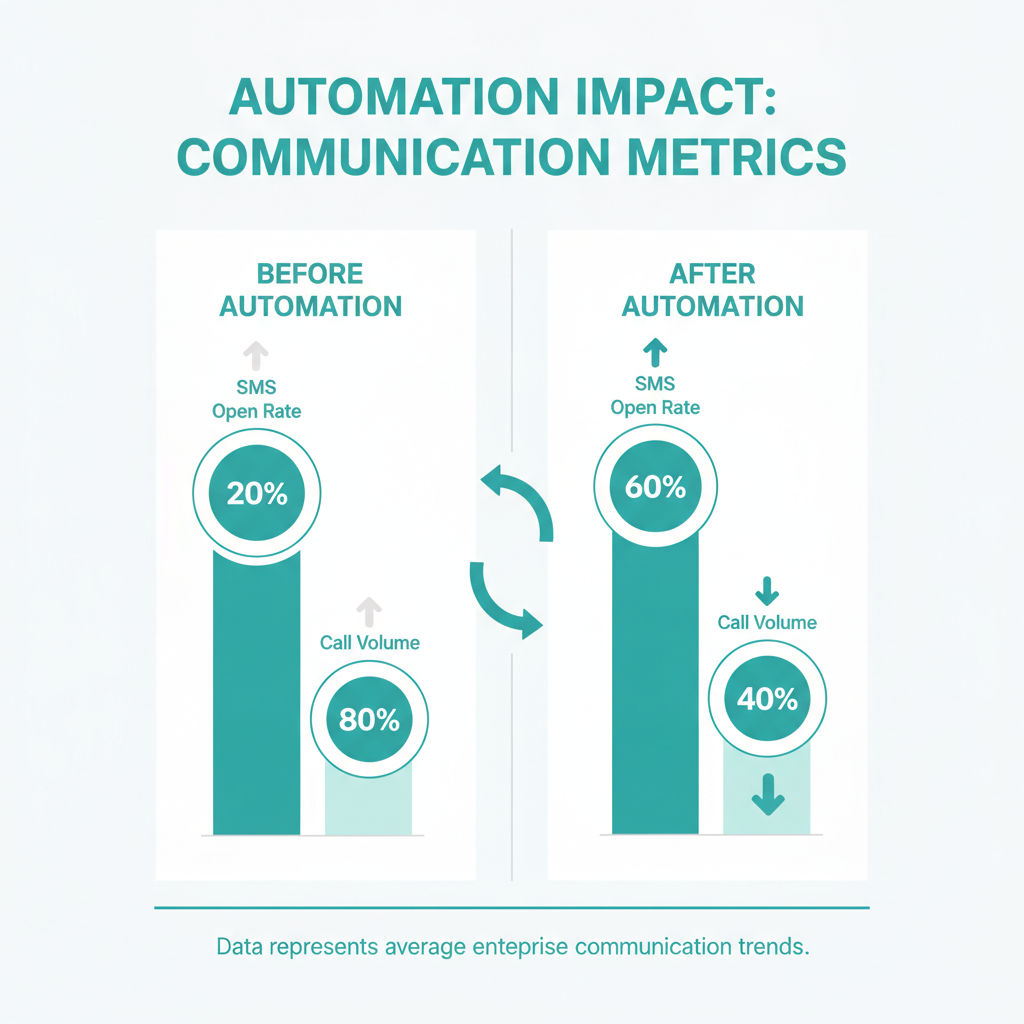
Beyond improving patient outcomes, automated follow up texts for patients significantly reduce administrative strain on medical staff. Manual outreach is incredibly time-consuming for front-desk workers, often leading to staff burnout. By automating these workflows, clinics can achieve massive operational efficiency: * Eliminating repetitive phone calls: Implementing automated text notifications allowed one healthcare system to eliminate 75,000 phone calls in just 60 days [5].
- Saving staff hours: Automation frees up front-desk workers from manual phone outreach, allowing them to focus on in-office patient care.
- Reducing patient friction: Research shows that 43% of patients saved between one and three hours over a year by texting their healthcare providers instead of calling [10]. This time-saving benefit lowers inbound call volumes for busy medical practices.
Meeting the Communication Preferences
of Modern Patients Healthcare providers must adapt to the digital-first expectations of modern patients. Communication preferences have shifted dramatically across all age groups. * Millennial expectations: Over 60% of millennial patients prefer text messaging as their primary method of healthcare communication [7].
- Provider retention: Poor communication can actively damage patient retention, as 73% of patients aged 17 to 54 state they would switch providers over poor communication experiences [7].
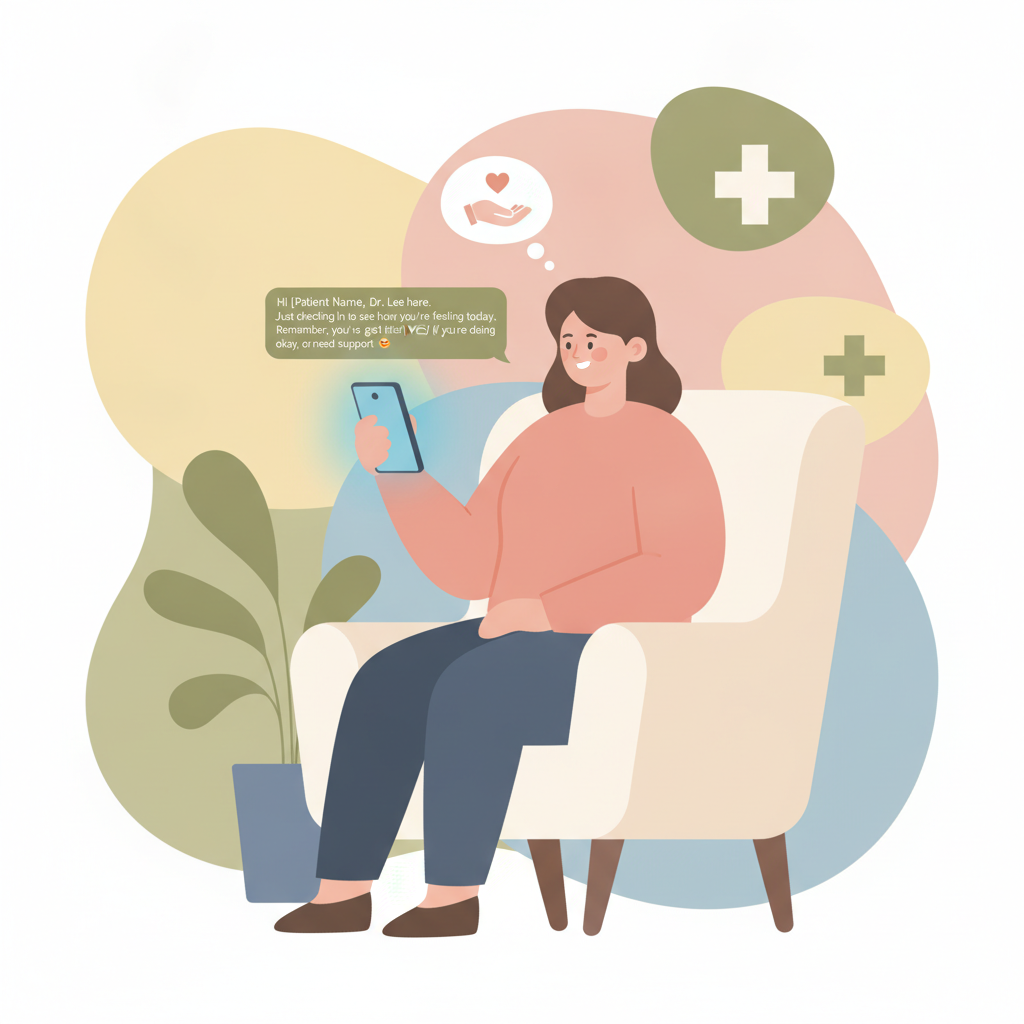
- Senior patient adoption: Automated texting is highly effective even among older populations. A case study of the Welcome Home text program showed a 40% reduction in hospital readmissions among participating seniors compared to those who did not participate [9]. With an average response rate of 53.09% for SMS communications in the healthcare sector [6], patients are highly active in replying to text-based updates, appointment confirmations, and follow-up care details.
Comparing Patient Follow-Up Channels
Choosing the right channel for post-treatment follow-up is critical for maximizing engagement and minimizing administrative overhead. The table below compares the effectiveness of SMS against traditional channels.
| Metric | Automated SMS | Traditional Phone Calls | Email Outreach |
|---|---|---|---|
| Average Open Rate | 98% [4] | N/A | 12% to 20% [4] |
| Average Response Rate | 53.09% [6] | Low (Voicemail heavy) | Low [8] |
| Administrative Effort | Low (Fully automated) [5] | High (Manual dialing) [5] | Medium (Manual/Templates) |
| Patient Preference | Preferred by over 60% of millennials [7] | Declining | Low for urgent care |
| Clinical Impact | 55% readmission reduction [1] | Variable | Minimal |
Frequently Asked Questions
Do patients actually read automated follow-up texts?
Yes, patients read text messages at a near-universal rate. In the healthcare sector, SMS messages achieve an average open rate of 98%, with 90% of those texts read within just three minutes of delivery [4]. This makes text messaging far more visible and effective than traditional email [4].
Can automated texting reduce hospital readmissions?
Yes, automated post-discharge texting significantly lowers readmission rates. Research published in JAMA Network Open shows that a 30-day automated texting program led to a 55% reduction in the odds of 30-day readmission [1]. Additionally, programs targeting older populations have shown a 40% reduction in readmissions [9].
Do older patients accept automated text messages?
Yes, older patients highly benefit from and respond well to automated text outreach. A case study of the Welcome Home texting program showed a 40% reduction in hospital readmissions among participating seniors compared to non-participants [9]. This proves that post-treatment text automation is highly effective across all age demographics [9].
How does post-treatment texting save administrative time?
Automating patient text messages eliminates repetitive manual phone outreach for clinical staff. For example, implementing automated text notifications allowed one healthcare system to eliminate 75,000 phone calls in just 60 days [5]. This saves hundreds of hours and significantly reduces administrative burnout [5].
Will patients opt out of automated text programs?
No, patient opt-out rates for these programs are extremely low. In a study of a 30-day post-discharge texting program, only 8.6% of patients chose to opt out before the end of the period [2]. This demonstrates that patients find these automated touchpoints highly acceptable and non-intrusive [2].
Do patients feel less connected when receiving automated texts?
On the contrary, automated texting actually increases the patient's sense of support. A study in the Journal of the American Academy of Orthopaedic Surgeons Global Research & Reviews found that 95.5% of patients felt more connected to their care team when receiving text updates [3].
How do SMS surveys compare to email surveys for patient feedback?
SMS surveys are vastly superior for gathering actionable patient feedback. Text-based surveys sent to patients after appointments receive four times more responses than traditional email surveys [8]. This allows clinics to collect a much higher volume of data to improve their post-treatment care [8].
Sources * [1] [chiefhealthcareexecutive.
com](https://www.chiefhealthcareexecutive.com/view/text-messages-can-reduce-hospital-readmissions-study)
- [2] upenn.edu
- [3] raintreeinc.com
- [4] falkonsms.com
- [5] textus.com
- [6] trustarmarketing.com
- [7] dialoghealth.com
- [8] dialoghealth.com
- [9] dialoghealth.com
- [10] sinch.com
Conclusion Implementing automated follow
up texts for patients is a highly effective strategy to enhance clinical outcomes, improve patient satisfaction, and streamline administrative workflows. By transitioning from manual outreach to automated SMS communication, healthcare providers can ensure continuous support, significantly reduce readmissions, and modernise their patient engagement.
David Friedman - Founder, Conversify · LinkedIn
David Friedman is a B2B operations leader with over 10 years of experience managing large-scale teams and business processes. After years of working with service businesses and seeing how much time was lost to manual customer communication, he founded Conversify, an AI-powered platform that helps healthcare practices and service providers across Europe automate their patient and client interactions. David built the platform from the ground up, working directly with practicing healthcare professionals to ensure every feature solves a real operational pain point. He is based in Spain.