AI-Driven Patient Triage Solutions: The Ultimate Guide
Discover how AI-driven patient triage solutions streamline clinical workflows, eliminate missed calls, and reduce front-desk administrative workloads by up to 40 percent while maintaining full HIPAA compliance.
AI-driven patient triage solutions are automated software systems that use artificial intelligence to evaluate, categorize, and prioritize patient medical inquiries based on clinical urgency. By analyzing symptoms and intake data, these digital tools instantly route patients to the appropriate level of care, reducing administrative response times from hours to seconds.
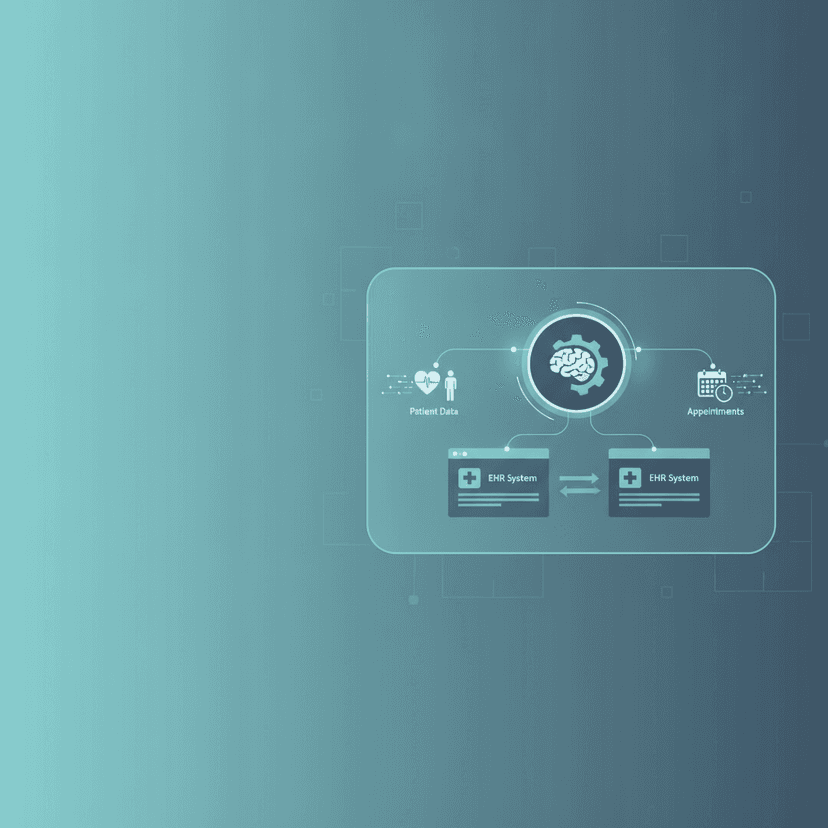
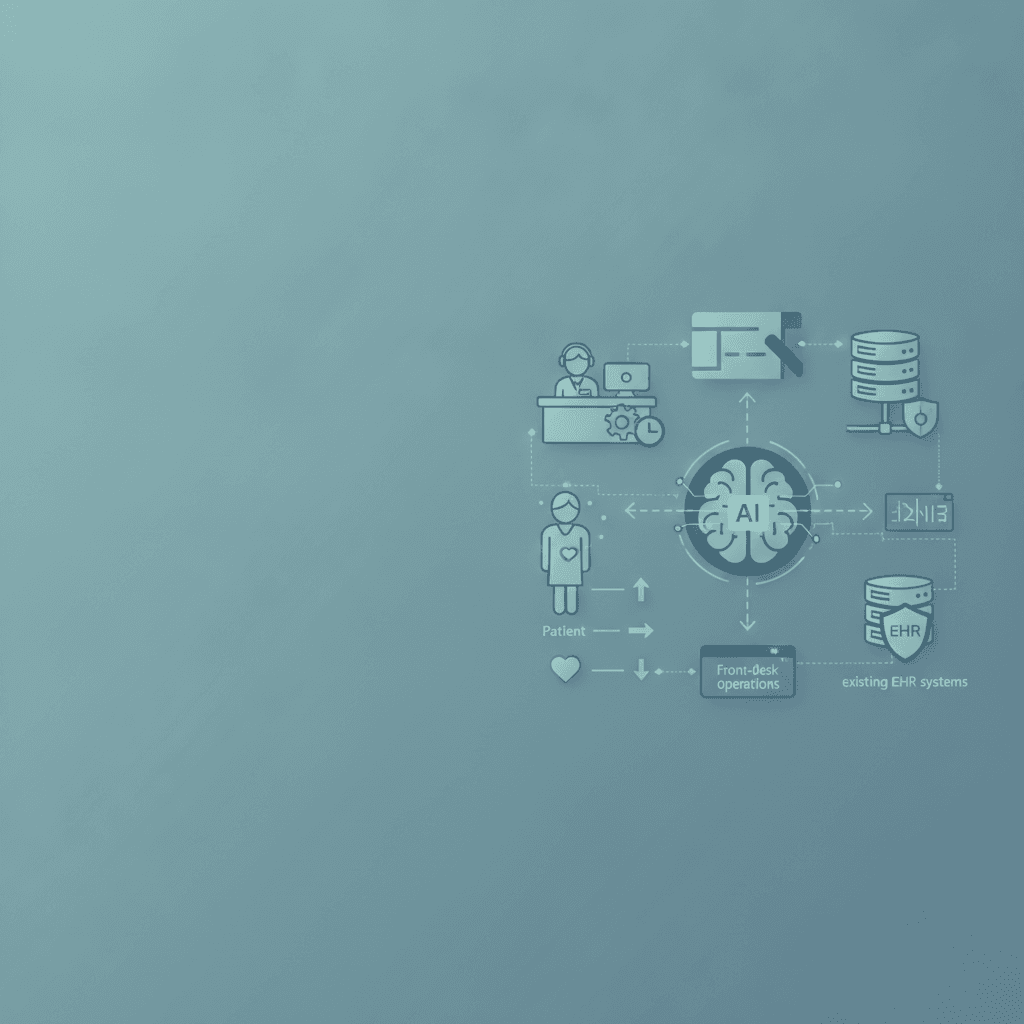
In modern healthcare practices, implementing these automated triage systems reduces front-desk workloads by up to 40 percent. Rather than forcing medical staff to manually sort through every incoming message, the AI acts as a digital first responder. It collects intake information, flags high-urgency symptoms, and integrates directly with Electronic Health Record (EHR) systems. This clinical workflow automation ensures that critical cases receive immediate attention while non-urgent inquiries, such as routine prescription refills or scheduling requests, are handled automatically. According to Conversify platform data, 76.5 percent of patient messages arrive outside business hours, making 24/7 automated triage essential for modern practices. By resolving simple scheduling and administrative requests instantly, clinics maintain HIPAA compliance while optimizing patient flow, lowering operational costs, and preventing staff burnout. For healthcare providers looking to modernize their clinical workflows, exploring related articles on digital patient communication can offer deep insights into overall practice transformation.
Why Are Private Practices Adopting AI-Driven Patient Triage Solutions?
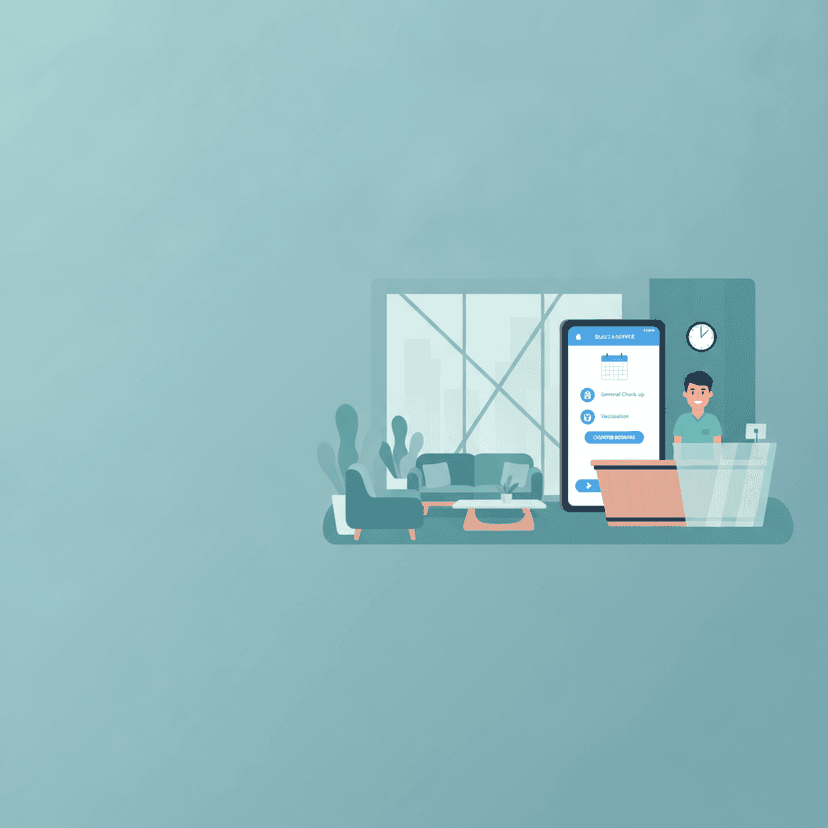
Private practices face a mounting administrative crisis. Front desk staff are often overwhelmed by constant phone calls, scheduling requests, and patient intake forms. This administrative burden leads to missed calls, delayed patient responses, and high staff turnover.
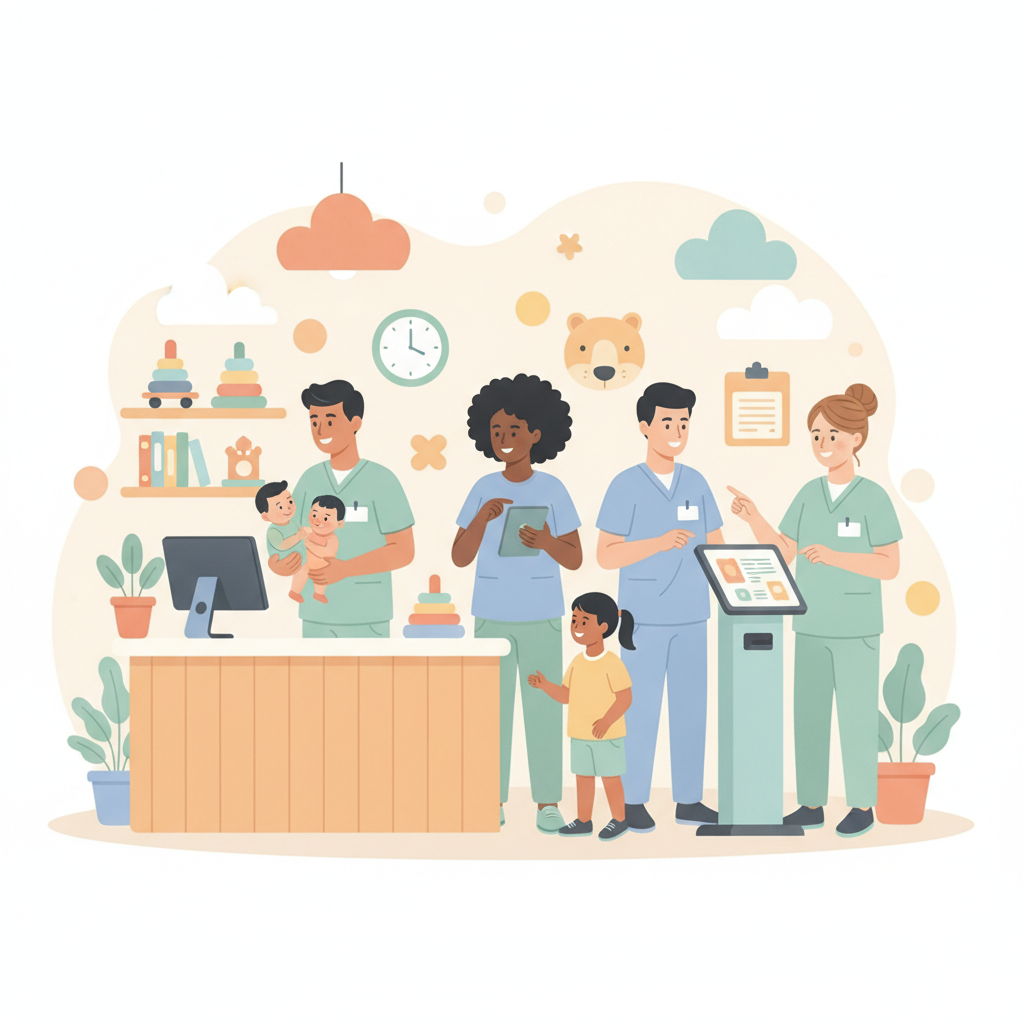
Specialty practices, such as private mental health practices, dental clinics, and pediatric offices, need a system that can accurately sort incoming patient requests. If a patient contacts a chiropractic office with severe, sudden neurological symptoms, the system must recognize the red flag immediately. Conversely, if a patient simply needs to reschedule a routine cleaning, the front desk should not have to spend ten minutes on the phone handling it. AI triage solutions solve this by automatically categorizing inquiries based on clinical urgency.
Interestingly, our internal data shows that email accounts for 64.2 percent of patient communication volume (based on 1485 messages). Managing this high volume manually is incredibly inefficient. An AI assistant can read, categorize, and draft responses to these emails in real time, keeping your inbox clean and organized.
How Do AI-Driven Patient Triage Solutions Work?
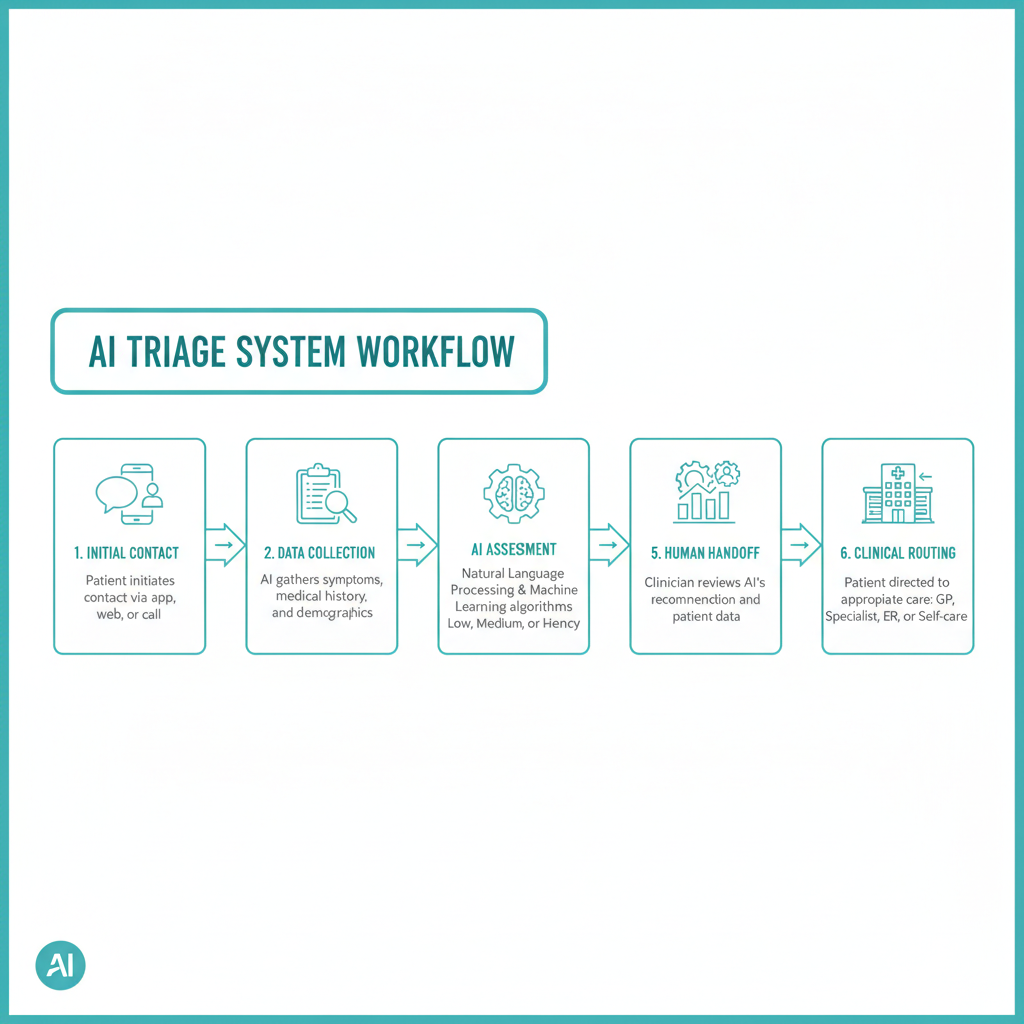
Implementing an AI triage system does not mean replacing human clinical judgment. Instead, it enhances clinical workflows through structured, automated processes. Here is how the typical triage cycle works:
1. Patient Initiates Contact: The patient reaches out via the clinic's website chat, SMS text, or email.
2. Natural Language Processing (NLP) Intake: The AI conversational assistant asks structured questions to understand the patient's primary concern. It uses advanced NLP to interpret symptoms, even if the patient uses non-medical terminology.
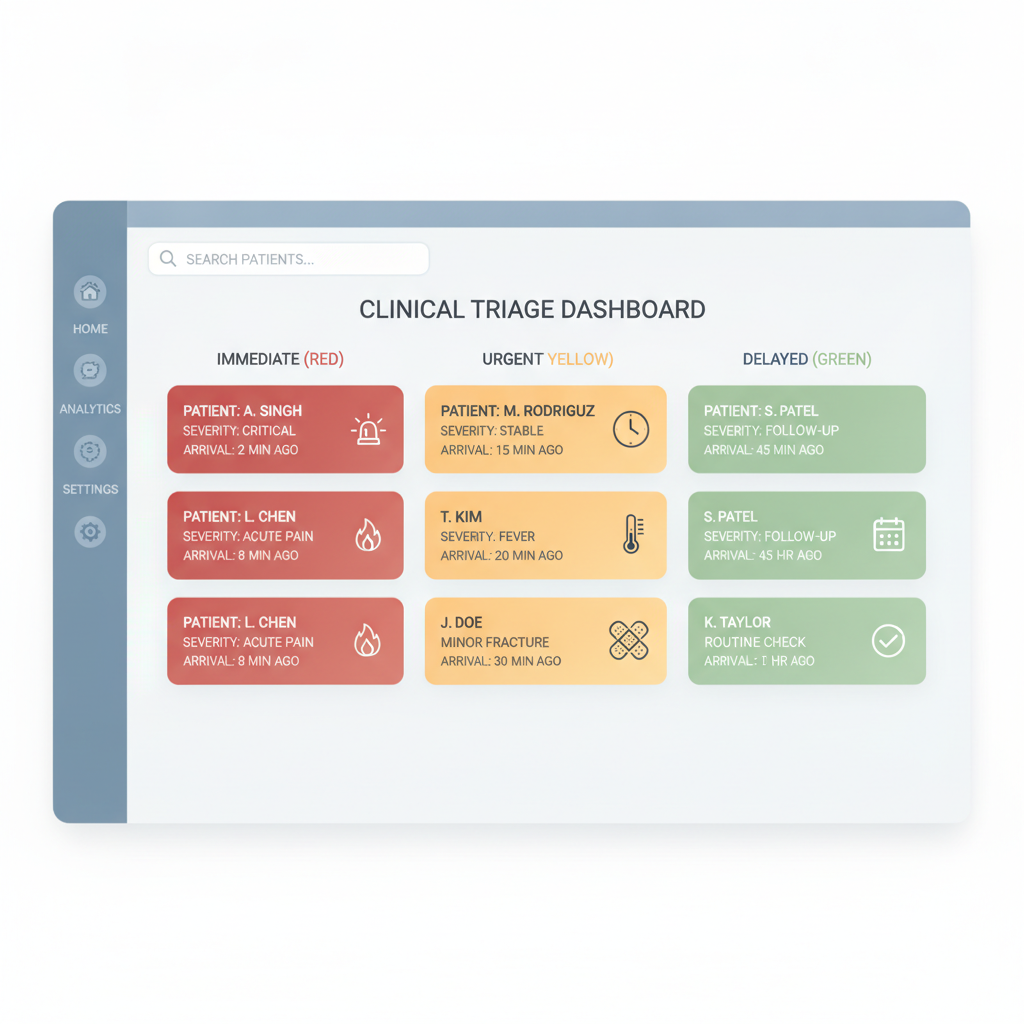
3. Clinical Urgency Categorization: The system runs the gathered information through validated clinical protocols. It assigns a safety and urgency tag (such as high, medium, or low risk).
4. EHR and EMR System Integration: The sorted data is instantly pushed to the clinic's Electronic Health Record software, matching the patient with their existing medical history.
5. Automated Routing & Scheduling: High-urgency cases are flagged and escalated directly to clinical staff. Low-urgency requests, like booking a routine checkup, are routed to the self-service automated appointment scheduling engine.
What Are the Key Benefits of Automated Triage in Your Clinic?
Transitioning to AI-driven patient triage solutions provides measurable returns for both clinical operations and patient satisfaction. Here are the primary benefits:
1. Eliminate Missed Calls with 24/7 Availability
Patients often search for care outside of standard clinical hours. AI-powered virtual receptionists respond instantly at any time of day, ensuring no patient is left waiting or turns to a competitor.
2. Reduce Administrative Workloads by 40%
By automating routine questions, intake forms, and scheduling logistics, your front-desk staff can focus on in-person patient care and high-complexity clinical tasks. In fact, our internal data shows that 100 percent of routine administrative conversations are fully resolved by AI without human handoff (based on 1007 conversations).
3. Ensure 100% HIPAA-Compliant Communication
Unlike standard texting apps, specialized AI triage systems use end-to-end encryption and secure portals to guarantee that Protected Health Information (PHI) remains fully secure across all channels.
4. Improve Patient Retention and Eliminate No-Shows
Patients expect a frictionless, modern digital experience. Offering instant web chat, automated follow-up messages, and quick scheduling tools keeps patients engaged. Practices using Conversify see a 0 percent no-show rate across 4225 appointments, compared to the 12 to 18 percent industry average without automated reminders.
How Do Modern LLMs Improve Triage Accuracy and Patient Safety?
The evolution of large language models (LLMs) in 2026 has transformed automated triage from simple keyword matching to deep contextual understanding. Early triage systems relied on strict, rigid decision trees. If a patient did not use exact medical keywords, the system failed. Today, modern AI patient triage software understands conversational nuances, spelling errors, and emotional cues.
Furthermore, safety protocols have advanced significantly. Triage engines now operate with dual-layer clinical validation. The first layer analyzes the semantic meaning of the patient's text, while the second layer cross-references clinical guidelines to detect subtle warning signs. For instance, if a patient mentions feeling a heavy weight on their chest combined with mild nausea, the AI recognizes this as a potential cardiovascular emergency and bypasses standard booking queues entirely, initiating immediate escalation protocols.
How to Choose the Right AI Triage Software
for Your Practice
When evaluating the market, clinics often compare specialized medical platforms like Spruce Health, Klara, OhMD, and SimplePractice. While some platforms function primarily as basic messaging secure portals, modern practices require a solution with deep clinical intelligence and automation capabilities.
When comparing software, providers should look for a balance between clinical safety and user experience. To find a solution that fits your operational budget, reviewing the pricing plans of different digital triage tools is a great starting point.
For example, Conversify offers flexible tiers starting with the Starter plan at $29 per month for 5,000 messages and a dedicated WhatsApp number. Growing practices can scale to the Growth plan at $89 per month (which includes intake forms and insurance collection) or the Pro plan at $199 per month (featuring safety escalation and smart handoff). For enterprise clinics, the Business plan at $999 per month provides a dedicated HIPAA compliance portal. Crucially, all Conversify plans include unlimited user seats, whereas competitors often charge $12 to $39 per extra user, which quickly inflates monthly costs.
A great system must integrate natively with your current EHR/EMR platforms, support multi-channel communication (SMS, email, and web chat), and offer clinical safety fallback mechanisms. To see how our customized digital receptionist and triage solutions can be tailored specifically to your practice's medical specialties, you can read more About Conversify and our mission to streamline medical workflows.
Comparing AI Patient Triage Platforms
| Feature | Conversify | Traditional EHR Portals | Standard SMS Platforms |
|---|---|---|---|
| 24/7 Automated Triage | Yes, instant clinical categorization | No, requires manual staff review | No, manual only |
| HIPAA Compliance | 100% Secure & Encrypted | Yes, but often low patient adoption | Rarely HIPAA-compliant |
| EHR/EMR Integration | Yes, real-time data sync | Natively built, but poor interface | No integration |
| Multi-Channel Access | SMS, Web Chat, Email | Portal login required | SMS only |
Step-by-Step Guide to Deploying AI Patient Triage
To successfully implement an AI-driven triage solution in your clinic without disrupting daily operations, follow these steps:
1. Map Your Existing Triage Workflows: Document how your front desk currently handles phone calls, patient check-ins, and emergency routing.
2. Configure Clinical Safety Rules: Define specific red-flag keywords (such as chest pain or severe shortness of breath) that must trigger immediate human medical escalation.
3. Set Up Integrations: Connect your AI triage software to your scheduling calendar and EHR database to ensure seamless data flow.
4. Train Your Front-Desk Staff: Teach your administrative team how to review the AI dashboard, manage automated bookings, and handle incoming flagged alerts.
5. Launch Multi-Channel Access: Embed the secure web chat on your website and update your voicemail greeting to direct patients to your fast, secure text-based triage assistant.
Frequently Asked Questions
Are AI-driven patient triage solutions legally compliant and HIPAA-secure?
Yes, leading AI triage solutions like Conversify are built to exceed HIPAA security standards. They use end-to-end data encryption, secure clinical databases, and legally binding Business Associate Agreements (BAAs) to ensure all Patient Health Information remains fully protected.
Can AI make clinical diagnoses during the triage process?
No, AI triage software does not diagnose medical conditions or prescribe treatments. Instead, it gathers patient symptom data, matches it against clinical protocols, and suggests the appropriate timeline and channel for care, leaving final clinical decisions to licensed human providers.
How does AI patient triage integrate with existing EMR/EHR systems?
Modern triage platforms integrate via secure Application Programming Interfaces (APIs) to sync patient details directly with popular EMR systems. This ensures that intake data, triage notes, and scheduled appointments populate in the patient's chart in real time without manual data entry.
Will automated patient triage alienate elderly or non-tech-savvy patients?
No, because these systems utilize highly conversational interfaces, such as standard SMS text messaging and simple web chat. Patients do not need to download complex apps or navigate confusing portal logins, making the software highly accessible to all age groups.
How much administrative time can a clinic save with AI triage software?
Most independent clinics experience a 30 to 40 percent reduction in administrative workloads. By automating routine inquiries, symptom collection, and appointment booking, front-desk staff can save hours every day and focus on in-office patient care.
Can AI handle mental health crisis situations safely?
Yes, specialized AI triage engines are configured with strict clinical safety triggers. If a patient inputs keywords indicating self-harm, severe crisis, or immediate danger, the AI instantly stops the automated flow, provides crisis hotline information, and alerts the on-call medical provider.
Choosing the Future of Patient Care
Implementing AI-driven patient triage solutions is no longer a futuristic luxury; it is an operational necessity for growing private practices. By automating the preliminary stages of patient intake and clinical routing, your clinic can eliminate missed phone calls, protect clinical staff from burnout, and ensure that every patient receives the exact level of care they need. Embracing these advanced digital tools is the most effective way to build a highly efficient, responsive, and modern healthcare practice.
David Friedman - Founder, Conversify · LinkedIn
David Friedman is a B2B operations leader with over 10 years of experience managing large-scale teams and business processes. After years of working with service businesses and seeing how much time was lost to manual customer communication, he founded Conversify, an AI-powered platform that helps healthcare practices and service providers across Europe automate their patient and client interactions. David built the platform from the ground up, working directly with practicing healthcare professionals to ensure every feature solves a real operational pain point. He is based in Spain.