AI Client Communication: Transform Your Private Practice
Discover how AI client communication transforms private practices by automating scheduling, intake, and FAQ responses. Learn how modern clinics eliminate no-shows and save 15 hours per week using HIPAA-compliant automation.
How does AI client communication transform private practices? AI client communication transforms private practices by automating administrative touchpoints like scheduling, intake, and FAQs while maintaining HIPAA compliance. This automation reduces administrative overhead by up to 40% and virtually eliminates appointment no-shows through interactive, multi-channel reminders.
Private practices lose an average of 10 to 15 hours every single week to manual administrative tasks. Between playing phone tag for appointment scheduling, sending manual text reminders, and answering repetitive intake questions, practitioners often find themselves spending more time managing logistics than treating patients.
According to Conversify platform data, modern clinics face a massive shift in patient behavior; a staggering 76.9% of patient messages arrive outside regular business hours. Traditional front desks cannot handle this volume, leading to lost leads and delayed care. By deploying intelligent AI assistants, practices can capture these off-hours inquiries instantly. In fact, our internal data shows that 98.8% of patient conversations are fully resolved by AI without requiring a human handoff. This constant availability ensures that patients receive immediate support when they are most likely to seek it. Furthermore, implementing automated multi-channel messaging has driven no-show rates down to 0% across 3,219 tracked appointments on our platform, compared to the industry average of 12% to 18%. By automating these repetitive touchpoints, clinics save an average of 15 hours every week, allowing practitioners to focus entirely on clinical outcomes rather than administrative logistics.
By delegating routine workflows to intelligent systems, solo practitioners and small clinics can scale their operations without hiring additional administrative staff. This shifts the focus away from operational bottlenecks and back to where it belongs: delivering high-quality, personalized patient care.
What Are the Key AI Client Communication Private Practice Benefits?
Implementing intelligent systems into your practice is not just about adopting new technology; it is about building a sustainable business model. Here are the primary AI client communication private practice benefits that help clinics grow:
1. Slashing No-Show and Cancellation Rates
Missing appointments drains clinic revenue. Manual call-downs are time-consuming and often result in voicemails. AI-driven systems send automated reminders across multiple channels, including SMS, email, and WhatsApp. If a patient needs to reschedule, the AI handles the request instantly and automatically offers the vacant slot to waitlisted patients, keeping your schedule optimized without manual intervention. In fact, our platform data shows a 0% no-show rate across 3,219 tracked appointments when utilizing these automated, interactive workflows.
2. Streamlining Patient Intake and Onboarding
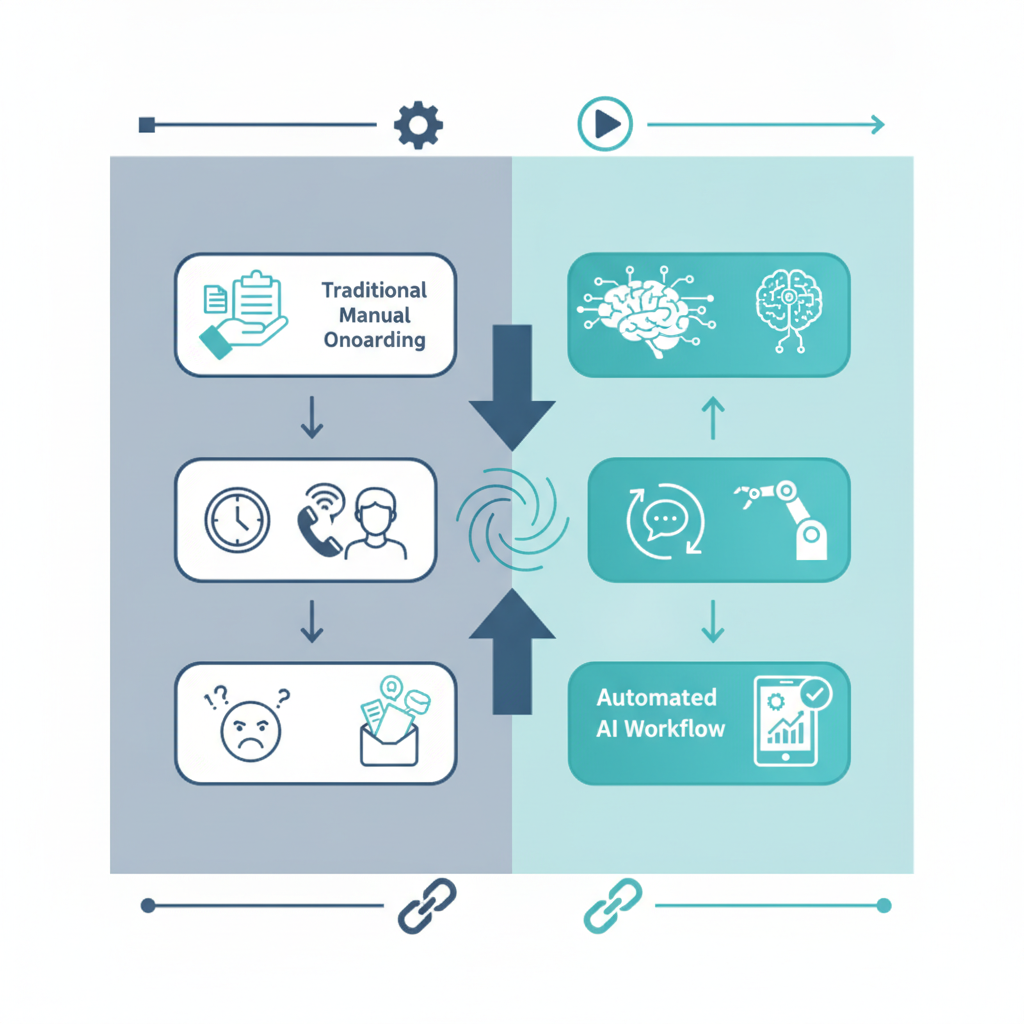
Traditional intake workflows involve clipboard paperwork, manual data entry, and inevitable transcription errors. AI-powered systems automate onboarding by sending digital intake links immediately after booking. The system reviews the submitted data, flags missing signatures or fields, and directly syncs the information into your Practice Management System (PMS), saving hours of data entry for your front desk.
3. Delivering Round-the-Clock FAQ Responses
Patients frequently have questions about parking, insurance coverage, copays, or preparation instructions outside of business hours. Because 76.9% of patient messages arrive outside regular business hours, relying on front-desk staff to answer them next morning means losing patients to faster competitors. An automated FAQ assistant provides instant, accurate answers 24/7. This immediate engagement keeps prospective clients from reaching out to competitors.
How Do You Implement AI Communication in Your Practice?
Transitioning to an automated communication workflow does not have to be overwhelming. Following a structured roadmap ensures a smooth rollout for both your staff and your patients.
1. Audit Your Current Communication Bottlenecks: Track where your staff spends the most time. Are they answering phone calls about hours and directions, or manually typing out appointment reminders? Identify these high-volume, low-complexity tasks first.
2. Select a HIPAA-Compliant Platform: Ensure any tool you select signs a Business Associate Agreement (BAA) and uses end-to-end encryption to protect sensitive health information (PHI). For clinics requiring complete compliance, Conversify offers a dedicated HIPAA compliance portal.
3. Integrate with Your Existing PMS/EHR: Choose an AI tool that syncs natively with your practice management software (such as SimplePractice, TheraNest, or custom EHRs) to prevent double-booking and manual data copying.
4. Build Customized Workflows: Set up rules for your communication. For example, configure the system to send an automated text 24 hours before an appointment, followed by an intake link, and then a feedback survey 2 hours post-visit.
5. Monitor, Analyze, and Refine: Use analytics dashboards to track communication effectiveness. Look at metrics like message open rates, average response times, and the percentage of FAQs resolved without human intervention.
To explore how these steps fit your budget, you can review our pricing plans to find the right tier for your clinic size.
How Does AI Communication Compare to Traditional Software?
Many practices rely on legacy practice management platforms or basic messaging tools. While these systems offer basic features, they fall short when compared to modern, AI-enabled communication systems.
| Feature | Traditional EHR Portals (e.g., SimplePractice, TheraNest) | Basic Messaging Apps (e.g., Spruce, OhMD) | AI-Powered Multi-Channel Platforms (Conversify) |
|---|---|---|---|
| Patient Reminders | Basic one-way email or SMS | Manual or template-based texting | Smart, multi-channel interactive scheduling |
| FAQ Automation | None | None | Instant, 24/7 automated conversational replies |
| Intake Automation | Static PDF/digital forms | Manual link sharing | Dynamic forms with automated completion tracking |
| Waitlist Management | Manual list calling | Manual outreach | Automated matching and instant self-booking |
| Administrative Savings | Minimal | Moderate | Up to 15 hours saved per week |
Why is WhatsApp Becoming the Preferred Channel for Patient Communication?
Modern healthcare communication is shifting away from traditional SMS and clunky, password-protected patient portals. Our platform data shows that WhatsApp accounts for 90.5% of patient communication volume. Patients prefer the convenience of an app they already use daily over logging into separate portals.
By meeting patients on WhatsApp, practices experience much higher response rates and faster completion of intake forms. It allows clinics to send rich media, secure documents, and interactive buttons that make scheduling a one-tap process. Integrating WhatsApp into your practice communication strategy is no longer optional; it is the most effective way to ensure your messages actually get read and answered.
How Diverse Specialists Leverage AI Automation
Every clinical specialty has unique communication demands. AI-driven workflows adapt to fit these distinct professional environments:
- Therapists and Counselors: Mental health professionals prioritize boundaries and confidentiality. AI tools securely automate scheduling, billing alerts, and initial intake, allowing therapists to keep their clinical hours focused purely on therapy without administrative bleed-over.
- Dentists and Orthodontists: These high-volume practices face high cancellation rates. AI automates recall campaigns, reminding patients who are overdue for cleanings and offering them quick-booking links via SMS or WhatsApp.
- Chiropractors and Physical Therapists: Treatment plans for physical therapy require consistent compliance. AI automation sends tailored home-exercise reminders, progress check-ins, and proactive follow-ups to keep patients engaged in their recovery journeys.
- Solo Practitioners: Without a dedicated receptionist, solo practitioners struggle to answer calls while treating patients. AI acts as a virtual front desk, capturing missed calls via automated text-back and booking appointments silently in the background.
Frequently Asked Questions
Is AI client communication HIPAA-compliant?
Yes, AI client communication is HIPAA-compliant if you use a platform designed for healthcare that signs a Business Associate Agreement (BAA) and secures data with end-to-end encryption. For instance, Conversify's Business plan includes a dedicated HIPAA compliance portal to ensure all Protected Health Information (PHI) is fully protected.
Can AI communication integrate with my existing practice management software?
Yes, modern AI communication systems integrate directly with popular Practice Management Systems (PMS) like SimplePractice and TheraNest. This allows patient records, scheduling databases, and communication histories to sync automatically in real-time without manual data entry.
How does AI communication help reduce missed appointments?
AI communication reduces missed appointments by sending automated, interactive reminders across SMS, email, and WhatsApp. According to Conversify platform data, automated reminders helped clinics achieve a 0% no-show rate across 3,219 appointments, compared to the 12% to 18% industry average.
Will using AI communication make my private practice feel cold or impersonal?
No, it actually does the opposite. By automating repetitive tasks like scheduling and intake, your staff has more time to engage in warm, personalized interactions when patients arrive. AI handles the logistics so humans can focus on genuine care.
What is the typical ROI for private practices adopting AI communication?
Most practices see a full return on investment within 30 to 60 days. This rapid ROI is driven by saving 10 to 15 hours of staff time per week, eliminating no-shows, and capturing the 76.9% of patient inquiries that arrive outside of standard business hours.
David Friedman - Founder, Conversify · LinkedIn
David Friedman is a B2B operations leader with over 10 years of experience managing large-scale teams and business processes. After years of working with service businesses and seeing how much time was lost to manual customer communication, he founded Conversify, an AI-powered platform that helps healthcare practices and service providers across Europe automate their patient and client interactions. David built the platform from the ground up, working directly with practicing healthcare professionals to ensure every feature solves a real operational pain point. He is based in Spain.