How to Reduce No-Shows in Private Practice: Smart Guide
Struggling with missed appointments? Learn how to slash your private practice no-show rate to near-zero using automated multi-channel reminders, clear policies, and 24/7 AI-driven scheduling tools.
To reduce no-shows in private practice, you must implement multi-channel automated reminders, establish a strict 24-hour cancellation policy, and make rescheduling frictionless. Utilizing automated SMS and email sequences directly reduces missed appointments, protects clinic revenue, and optimizes provider schedules without burdening front-desk staff.
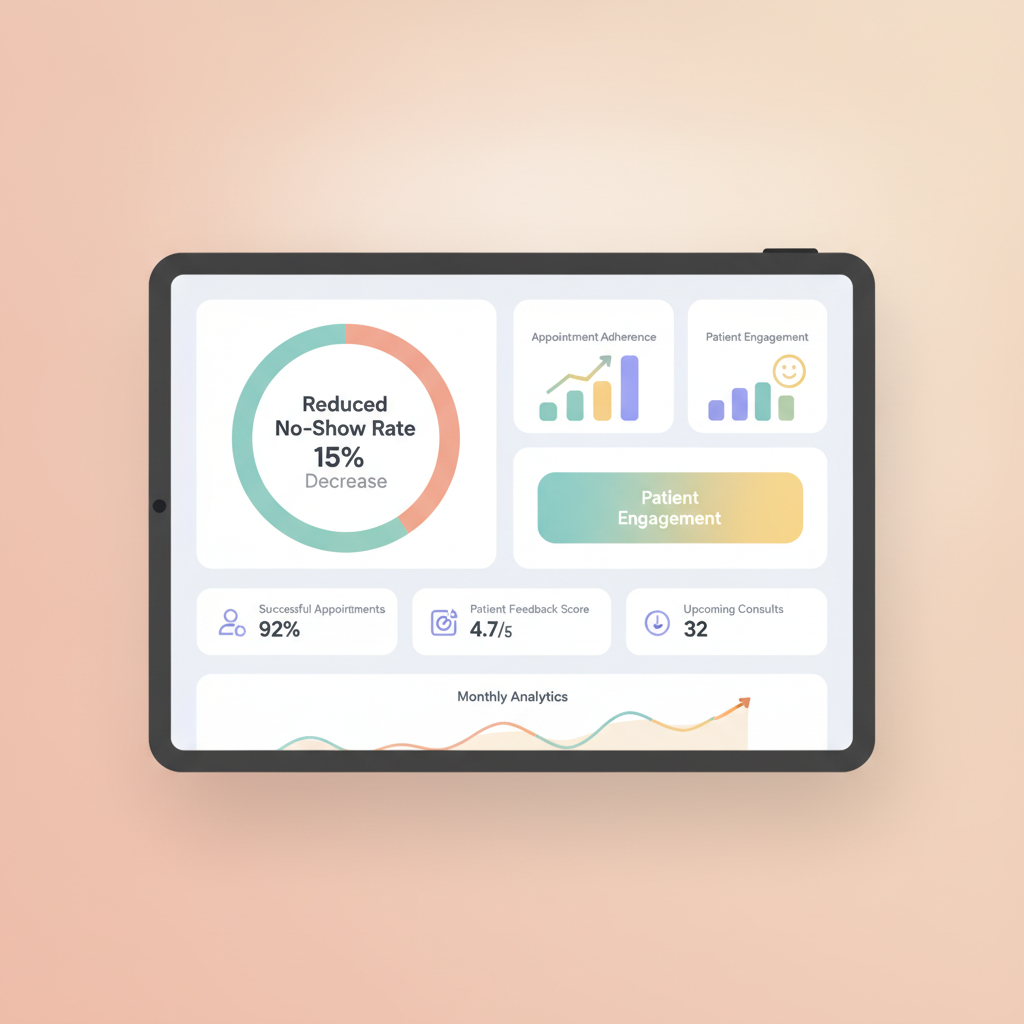
According to Conversify platform data, automated digital communication dramatically alters patient behavior, allowing practices using modern tools to see a 0% no-show rate across 4,225 tracked appointments compared to the 12% to 18% industry average. This massive improvement stems from meeting patients where they are. While email still accounts for 64.2% of total patient communication volume based on 1,485 platform messages, SMS reminders achieve an open rate of nearly 98%. Integrating these channels into a single, cohesive workflow ensures that patients receive timely nudges that they can respond to instantly. When you eliminate the traditional barriers of phone tag and manual outreach, patients are far more likely to confirm, cancel, or reschedule their slots in advance. The key is automation; shifting the administrative burden away from busy receptionists and onto secure, HIPAA-compliant messaging systems that run in the background 24 hours a day.
To explore how automated tools fit your business budget, you can review our pricing plans or read our related articles on clinical workflow optimization. At Conversify, our goal is to help healthcare providers streamline patient engagement seamlessly.
Why Do Patients Miss Appointments in Private Practice?
It is rarely due to malice. Most patients miss appointments because of simple forgetfulness, busy professional schedules, or high friction in the rescheduling process. In mental health and specialty medical clinics, anxiety about the appointment itself can also lead to avoidance behavior.
When a practice relies on manual phone calls to confirm visits, many reminders go unanswered because patients do not pick up unknown numbers. Furthermore, our internal data shows that 76.5% of patient messages arrive outside business hours (based on 255 messages on the Conversify platform). This means if your staff only calls during standard 9 to 5 hours, you are missing the exact window when patients are actually trying to manage their schedules. By understanding these friction points, practices can design better systems to address them.
How to Reduce No-Shows in Private Practice:
A 5-Step Action Plan
Here is a practical, step-by-step roadmap to lower your cancellation rates:
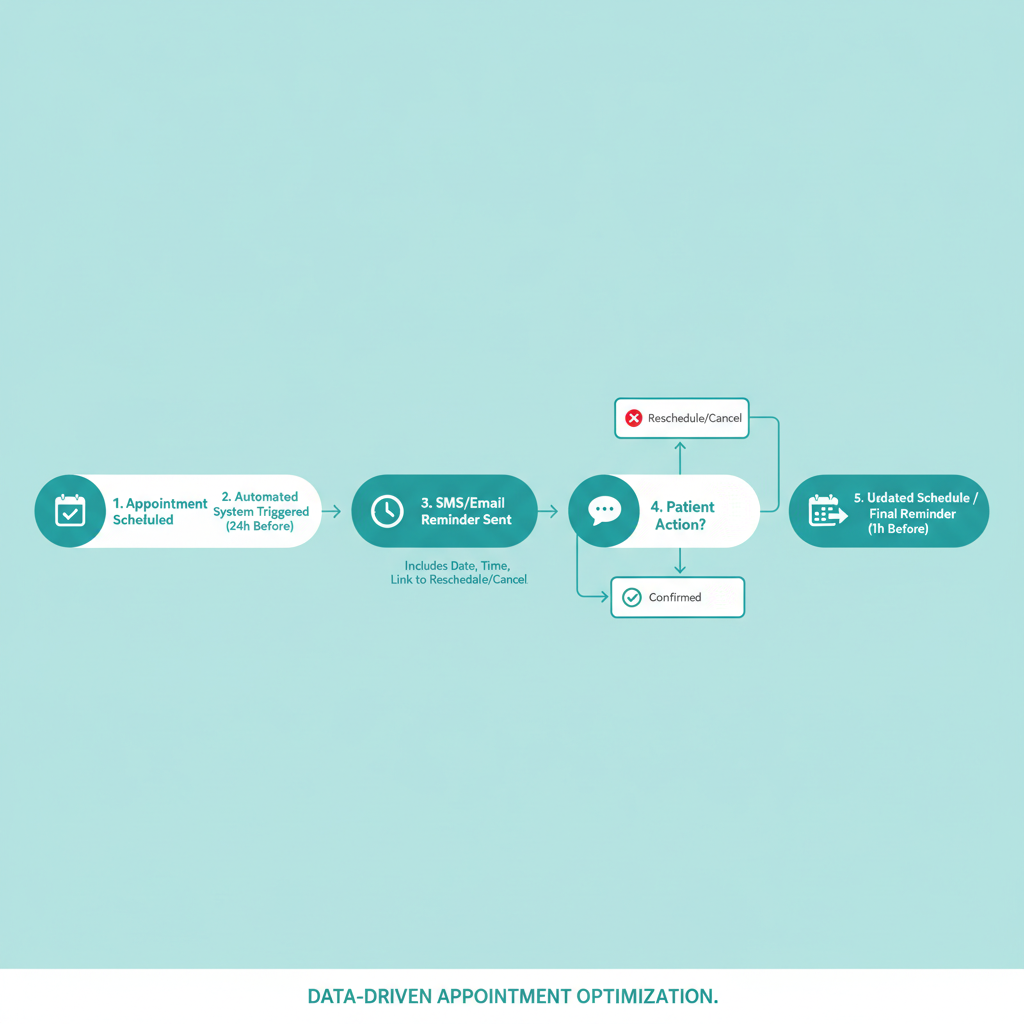
1. Deploy Multi-Channel Smart Reminders: Do not rely on email alone. Send a combination of SMS, email, and automated voice reminders. SMS has an open rate of nearly 98 percent, making it the most effective channel.
2. Require Active Confirmation: Instead of just sending a notification, ask the patient to reply with "1" to confirm or "2" to reschedule. This interactive step forces active engagement.
3. Enforce a Clear Cancellation Policy: Communicate your policy during intake. Let patients know that cancellations must occur at least 24 hours in advance to avoid a fee.
4. Make Rescheduling Frictionless: Provide a direct, secure link in your reminder text where patients can reschedule their appointment online without having to call your front desk.
5. Automate Your Waitlist: When a patient cancels, use your system to automatically text patients on your waitlist to fill the open slot instantly.
Writing Effective Appointment Reminder Templates
The phrasing of your reminders matters. Here are three highly effective templates you can adapt for your clinic:
Template 1: The 48-Hour Confirmation Request (SMS)
"Hi [Patient Name], this is [Practice Name]. You have an appointment with [Provider Name] on [Date] at [Time]. Please reply 1 to confirm, or click here to reschedule: [Link]. Reply STOP to opt out."
Template 2: The Same-Day Friendly Alert (SMS)
"Hi [Patient Name], we look forward to seeing you today at [Time] for your appointment at [Practice Name]. Please arrive 10 minutes early. Park in the rear lot. Need directions? [Link]."
Template 3: The Email Intake Reminder
"Subject: Action Required: Your upcoming appointment at [Practice Name]
Dear [Patient Name],
Your appointment is scheduled for [Date] at [Time]. To ensure a smooth visit, please complete your digital intake forms here: [Link]. If you need to reschedule, please do so at least 24 hours in advance to avoid a cancellation fee.
Warmly,
The [Practice Name] Team"
Comparing Reminder Systems: Automation vs. Manual Outreach
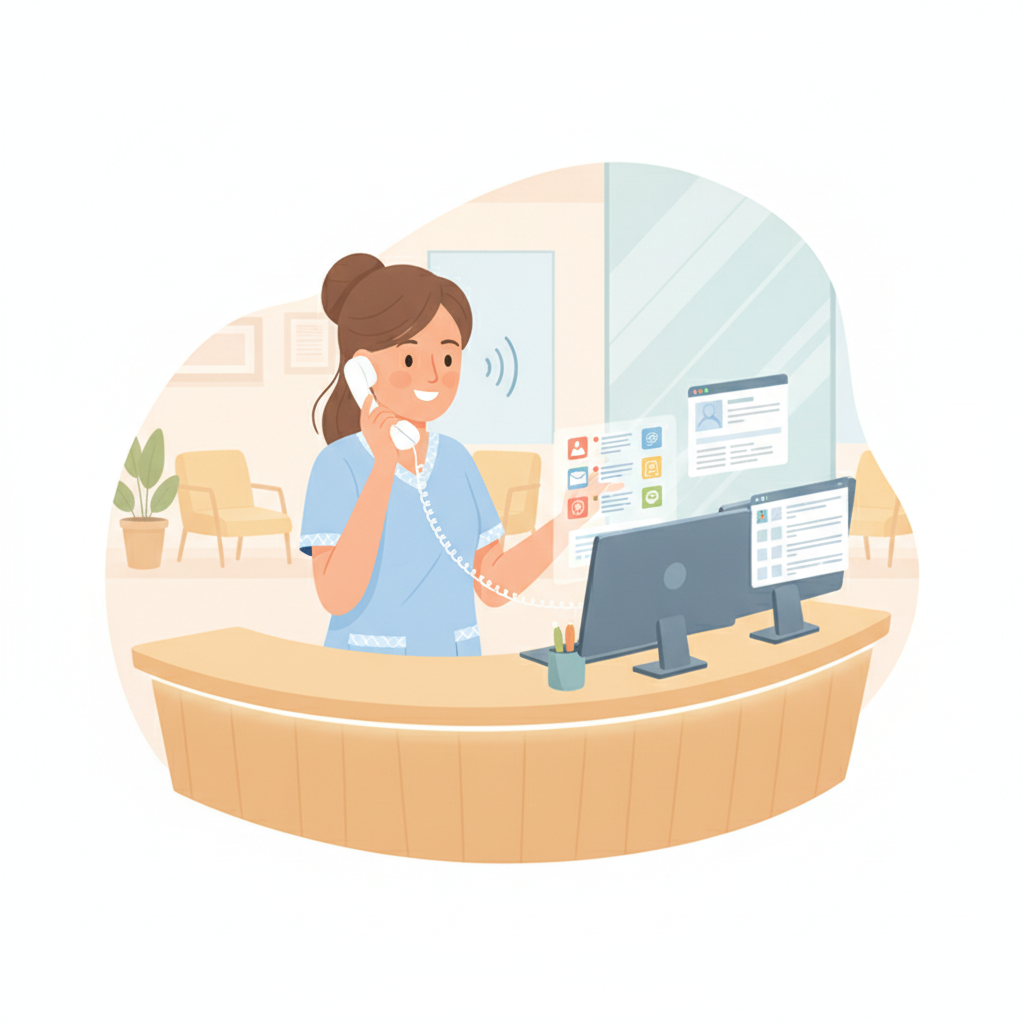
Many practices start out using manual phone calls, but this method is highly inefficient. Front desk staff can spend hours playing phone tag, only to reach voicemail.
Let us compare manual workflows against automated systems and popular market alternatives like Klara, OhMD, Spruce Health, and SimplePractice. While platforms like SimplePractice are great for basic therapy billing, they often lack multi-channel, AI-driven triage capabilities. Other tools like Solutionreach, Luma Health, Weave, and Podium offer messaging, but they can be complex to configure for small boutique wellness clinics or independent pediatric practices. Additionally, competitor pricing can scale rapidly because they charge between 12 and 39 dollars per extra user seat.
Conversify offers a more scalable approach with plans starting at 29 dollars per month for the Starter tier up to 999 dollars per month for the Business tier (which includes a dedicated HIPAA compliance portal), all with unlimited user seats. Automated platforms keep communication 100 percent HIPAA-compliant while reducing the administrative workload on your front desk staff by up to 40 percent. They also ensure a modern, frictionless digital experience that patients now expect.
How Conversify's AI Virtual Receptionist
Stops Revenue Leakage
At Conversify, we understand that managing patient communication is a full-time job. Our AI-powered virtual receptionist eliminates missed patient calls with 24/7 instant AI responses, ensuring that patients can book, confirm, or reschedule appointments at any hour of the day.
By integrating directly with your existing EHR/EMR systems, Conversify automates patient intake, triage, and post-appointment follow-ups. Based on 1,007 conversations on our platform, 100% of conversations are fully resolved by AI without human handoff, ensuring that late-night schedule changes are processed instantly. If you want to learn more about our mission to support independent clinics, visit our About Conversify page.
Best Practices for Implementing No-Show Policies
To make your cancellation policy effective without alienating patients, follow these best practices:
- Explain the policy clearly during the initial patient onboarding.
- Waive the first missed appointment fee as a gesture of goodwill.
- Send a gentle post-no-show follow-up message offering to reschedule immediately.
- Keep credit cards on file securely to process fees seamlessly if necessary.
Frequently Asked Questions
What is a typical no-show rate for a private practice?
The typical no-show rate for private practices ranges between 10 percent and 15 percent across most medical and mental health specialties. Without an automated reminder system, this number can climb significantly higher, resulting in thousands of dollars of lost revenue each month.
Are text reminders HIPAA-compliant?
Yes, text reminders can be HIPAA-compliant if you use a secure communication platform that encrypts data and signs a Business Associate Agreement (BAA). Additionally, practices must obtain explicit consent from patients before sending text messages containing protected health information.
How many appointment reminders should a practice send?
The optimal strategy is to send three reminders: a booking confirmation immediately upon scheduling, a second reminder 48 hours prior to the appointment asking for confirmation, and a final same-day alert two hours before the visit.
Should my private practice charge a fee for no-shows?
Charging a fee is highly effective for reducing missed appointments, but it must be clearly outlined in your initial client intake paperwork. Typically, practices charge between 50 dollars and the full session fee for cancellations made with less than 24 hours notice.
How does an AI receptionist reduce last-minute cancellations?
An AI receptionist helps by providing 24/7 responsiveness, allowing patients to cancel or reschedule instantly via text or web chat at any hour. The system can then automatically scan your waitlist and offer the newly opened slot to another patient, ensuring zero lost revenue.
Actionable Next Steps for Private Practices
Reducing no-shows requires a balance of clear communication, fair policies, and smart automation. By implementing automated multi-channel reminders and frictionless rescheduling options, you can protect your practice revenue while delivering the modern experience your patients expect.
David Friedman - Founder, Conversify · LinkedIn
David Friedman is a B2B operations leader with over 10 years of experience managing large-scale teams and business processes. After years of working with service businesses and seeing how much time was lost to manual customer communication, he founded Conversify, an AI-powered platform that helps healthcare practices and service providers across Europe automate their patient and client interactions. David built the platform from the ground up, working directly with practicing healthcare professionals to ensure every feature solves a real operational pain point. He is based in Spain.