Automation for Healthcare Lead Qualification: A Complete Guide
Discover how healthcare clinics use lead capture automation for service businesses to qualify leads, reduce no shows, and save staff time.
Yes, modern medical clinics are actively using lead capture automation for service businesses to qualify prospects and filter low intent inquiries. By implementing automated qualification systems, healthcare providers can instantly engage leads, reducing initial response times from hours to seconds and often doubling or tripling patient conversion rates [8]. Healthcare lead qualification is notoriously complex because the average healthcare lead requires 11.3 months from initial contact to a purchase decision due to regulatory hurdles and budget cycles [5]. To manage this long timeline without exhausting front desk staff, clinics are turning to automated patient intake systems, WhatsApp chatbots, and integrated EMR CRM solutions [6], [7], [11], [13]. For example, implementing a marketing automation system can drive a 451 percent increase in qualified leads by scoring prospects based on their interactions rather than relying on manual outreach [3]. To learn more about how our platform helps clinics streamline these workflows, you can read About Conversify or explore our pricing plans to find a solution that fits your practice.
Why Healthcare Clinics Must Automate
Lead Qualification In the medical sector, front desk teams are frequently overwhelmed by high volumes of low intent messages. Patients often send quick inquiries about pricing, insurance coverage, or general availability. If your staff spends all day manually responding to these basic questions, they have less time to care for patients in the clinic. Furthermore, speed is everything. Research from the Harvard Business Review shows that companies that respond to leads within an hour are seven times more likely to qualify the lead compared to those that wait longer [1]. When a prospect is searching for a local clinic, they often contact multiple providers. If your clinic takes hours to reply, the patient has likely already booked with a competitor. Implementing lead capture automation for service businesses solves this problem by ensuring that every inquiry receives an immediate, helpful response [8]. Additionally, the sales cycle in healthcare is incredibly long. According to a Gartner Sales Survey, healthcare industry leads require an average of 11.3 months from initial contact to a purchase decision [5]. This extended timeline is driven by regulatory requirements, complex budget cycles, and multi stakeholder decision processes [5]. Expecting manual outreach to sustain a relationship over nearly a year is unrealistic for most busy practices. Automated nurturing and gradual qualification are essential to keeping your clinic top of mind without draining administrative hours.
The Financial Impact of Business Process
Automation Investing in automation is no longer just a trend for tech startups; it is a critical strategy for modern service businesses. The global business process automation market is projected to reach 18.83 billion dollars by 2026 [10]. This rapid expansion is fueled by the exceptional return on investment (ROI) that companies experience. On average, businesses implementing process automation enjoy a 240 percent ROI, with 60 percent of companies achieving full payback within just 12 months [10].
- Reduced Costs: Automation reduces manual data entry errors and streamlines marketing campaigns, leading to an average 12 percent decrease in marketing costs [9]. By automating repetitive tasks like lead capture, data entry, and initial follow ups, your team can focus on high value activities, such as providing exceptional in person patient care.

How to Set Up Lead Capture Automation
in Your Clinic Setting up an automated qualification system does not have to be overly complicated. By utilizing modern communication channels and integrated software, you can build a seamless patient journey. Here is how you can implement lead capture automation for service businesses in your practice: * Centralize Your Channels: Patients reach out via various platforms, including WhatsApp, Instagram, Facebook, and web chat. Use omnichannel messaging tools like respond.io to centralize these inquiries into a single, unified inbox [13].
- Deploy AI Powered Agents: Set up automated AI agents to handle the initial conversation. These systems can instantly ask qualifying questions about the patient symptoms, insurance, and location, pushing structured data directly into your CRM [13].
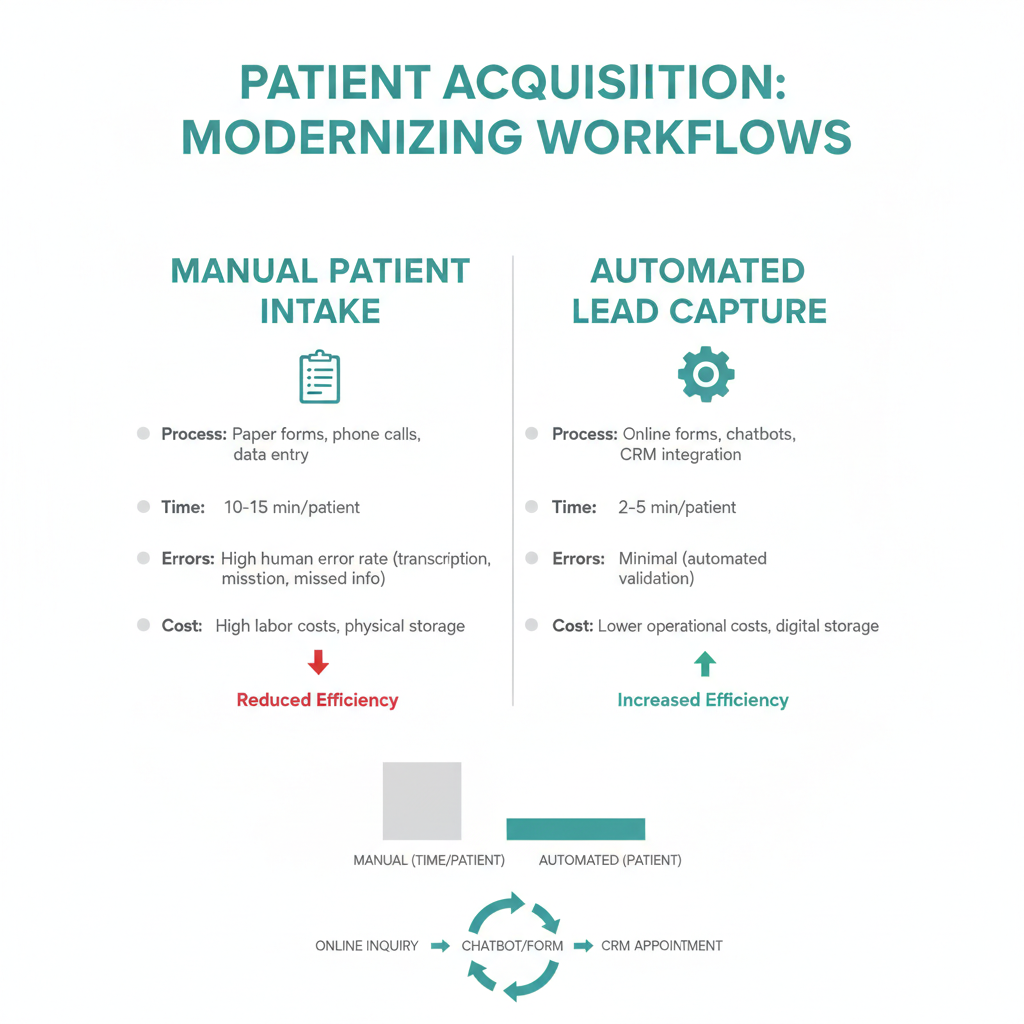
- Streamline Patient Intake: Instead of having patients fill out physical paperwork in the waiting room, use automated patient intake forms. Research shows this can reduce patient onboarding time by up to 70 percent compared to manual processes, recovering critical staff hours during workforce shortages [5].
- Automate Appointment Scheduling: Allow qualified leads to book their own appointments directly through the chat interface. You can set up conversational flows that guide the patient to select a time slot and confirm their details automatically.
Real World Success Stories in Healthcare
Automation Many medical clinics have already successfully adopted these automated systems, proving that automation directly drives booking volume and patient retention.
Case Study 1: Wellness Medical Centre
in Phoenix The Wellness Medical Centre in Phoenix faced a high volume of routine inquiries and a frustrating number of appointment no shows. To address this, they implemented a 24 hour virtual receptionist on WhatsApp using Wassenger Flows [6]. The chatbot was designed to automate appointment requests, answer frequently asked questions, and send timely reminders. The results were outstanding: * Patient no shows were reduced by 35 percent [6].
- The automation freed up over 25 hours of staff time weekly, allowing the clinic team to focus on in office patient care [6].
Case Study 2: Klinika Fomina's Conversational
Chatbot In another impressive case study, Klinika Fomina introduced an automated WhatsApp chatbot developed by chatme.ai and Chat2Desk [11]. The chatbot was integrated directly with the clinic's medical information system to handle routine front desk interactions, specifically appointment confirmations and cancellations. This integration achieved: * A 69.3 percent post messaging conversion rate [11].
- Successful automation of 59.8 percent of all appointment confirmations, drastically reducing the manual calling workload for front desk staff [11].
Case Study 3: Pediatrics Clinic EMR
CRM Integration A pediatrics clinic demonstrated how targeted, automated health campaigns can re engage existing patients. By integrating their Electronic Medical Record (EMR) system with a CRM, they sent automated email and SMS reminders to parents whose children were overdue for wellness visits [7]. This simple automation resulted in a 38 percent increase in appointments in a single quarter, showcasing how automated outreach can directly drive booking volume [7].
Case Study 4: Omnichannel Growth with Respond.io Medical clinics using respond.
io's AI Agents for omnichannel messaging and lead qualification have reported up to an 18x increase in appointments [13]. By centralizing inquiries across WhatsApp, Facebook, and Instagram, these clinics automatically qualify leads and push structured patient data directly into their CRMs [13]. 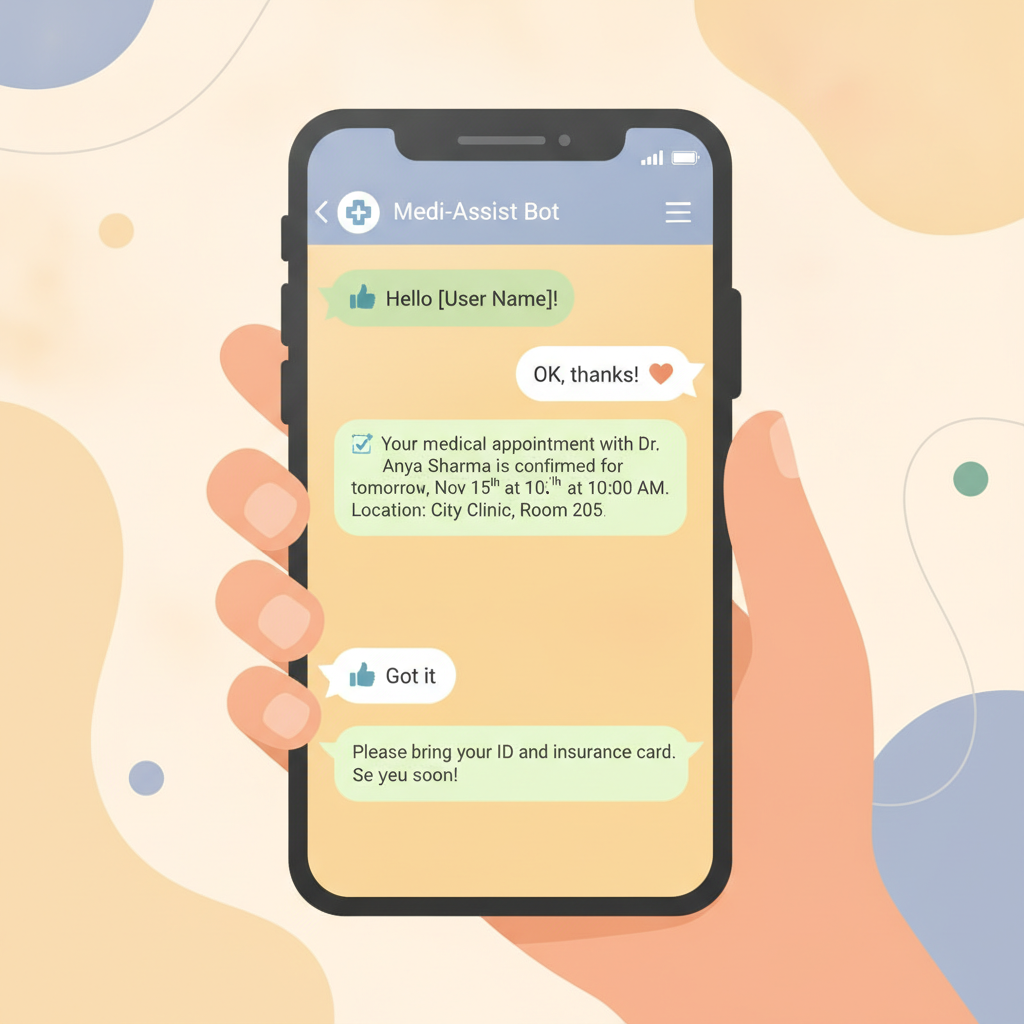
Comparing Lead Capture Tools for Healthcare
Businesses When choosing a platform for lead capture automation for service businesses, it is important to compare the top options on the market. | Feature | ManyChat | Respond.
Frequently Asked Questions
How fast should a clinic respond to a new patient inquiry?
Clinics should aim to respond to inquiries within minutes, as companies that respond to leads within an hour are seven times more likely to qualify them [1]. Implementing automated lead capture and follow up systems can drop response times from hours to seconds, which often doubles or triples conversion rates [8].
What is the return on investment for business process automation?
The global business process automation market is growing rapidly, with projections to reach 18.83 billion dollars by 2026 [10]. On average, companies implementing these systems see a 240 percent ROI, and 60 percent of businesses achieve full payback within 12 months [10].
How much time can automated patient intake forms save?
Automated patient intake forms can reduce patient onboarding time by up to 70 percent compared to manual processes [5]. This significant time recovery helps clinics manage critical staff hours during widespread healthcare workforce shortages [5].
Can WhatsApp automation help reduce patient no shows?
Yes, automated WhatsApp messaging is highly effective at reducing appointment no shows. For instance, a case study of the Wellness Medical Centre in Phoenix showed a 35 percent reduction in no shows and saved over 25 hours of staff time weekly after implementing a 24 hour virtual receptionist on WhatsApp [6].
How does marketing automation increase qualified leads?
Implementing a marketing automation system can lead to a 451 percent increase in qualified leads [3]. Automation allows clinics to scale their outreach and score leads based on their actions, making the qualification process far more efficient than traditional manual methods [3].
What conversion rates can clinics expect from automated appointment confirmations?
Clinics can achieve exceptionally high conversion rates with automated messaging. In a case study of Klinika Fomina, introducing an automated WhatsApp chatbot for appointment confirmation and cancellation achieved a 69.3 percent post messaging conversion rate [11].
Why does healthcare lead qualification take so long?
Healthcare leads require an average of 11.3 months from initial contact to a purchase decision due to regulatory requirements, budget cycles, and multi stakeholder decision processes [5]. This extended timeline makes automated nurturing and gradual qualification essential to keep prospects engaged without draining staff resources [5].
Sources [1] [Salesgenie Lead Response
Study](https://www.salesgenie.com/blog/lead-management-statistics/)
- Agile CRM Marketing Automation Data
- Get Codes Health Industry Analysis
- Wassenger Case Study on Wellness Medical Centre
- Prospyr Med EMR CRM Integration Study
- AI On Call Solutions Response Time Analysis
- Kissflow Sales Productivity Report
- LeadResponse Business Process Automation Market
- Chat2Desk Klinika Fomina Case Study
- Respond.io Omnichannel Messaging Guide Implementing lead capture automation for service businesses is the single most effective way to optimize your clinic's workflows, reduce administrative overhead, and boost patient conversion rates. By leveraging tools like AI chatbots, automated patient intake forms, and integrated EMR CRM systems, practices can ensure that every patient receives a rapid, professional response while freeing up valuable hours for clinical staff. As the healthcare industry continues to face workforce shortages and long decision cycles, clinics that embrace automation will remain highly competitive, efficient, and patient focused.
David Friedman - Founder, Conversify · LinkedIn
David Friedman is a B2B operations leader with over 10 years of experience managing large-scale teams and business processes. After years of working with service businesses and seeing how much time was lost to manual customer communication, he founded Conversify, an AI-powered platform that helps healthcare practices and service providers across Europe automate their patient and client interactions. David built the platform from the ground up, working directly with practicing healthcare professionals to ensure every feature solves a real operational pain point. He is based in Spain.