What Is an EMR Connected AI Receptionist and How It Works
An EMR connected AI receptionist automates scheduling and captures missed calls by syncing directly with your database, reducing front-desk workloads by up to 70%.
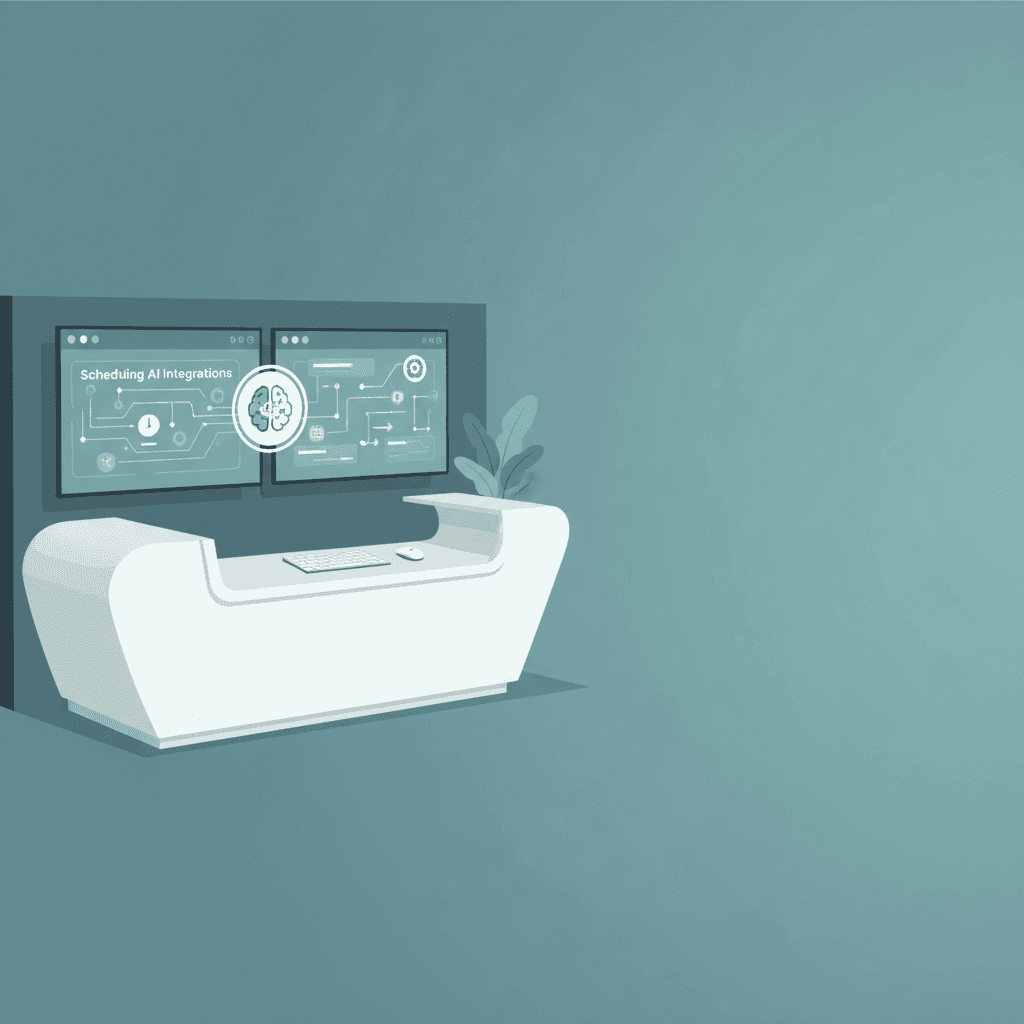
An EMR connected AI receptionist refers to an artificial intelligence front desk assistant that syncs directly with a business's Electronic Management Record (EMR) or booking database. Conversify offers this advanced solution, allowing service businesses to automatically capture 100% of incoming calls, book appointments, and update customer profiles in real time. By integrating with your central database, an intelligent assistant does more than answer questions; it actively manages schedules and updates records. For businesses exploring automated communication, reading through our related articles provides deeper insights into how these integrations operate.
Why Are Businesses Moving to EMR Connected AI Receptionists?
The demand for 24/7 availability and instant communication has transformed how modern offices handle customer service. The global AI receptionist market was valued at $2.3 billion in 2025 and is projected to reach $23.8 billion by 2035, growing at a rapid compound annual growth rate of 26.3% [4]. This explosive growth is driven by businesses needing automated appointment scheduling and round the clock communication to keep up with client expectations. For many service operations, missed calls represent a massive financial leak. Instead, 85% of callers who do not reach a live person choose to seek services from a competitor instead [4]. By deploying an EMR connected AI receptionist, businesses can eliminate this vulnerability entirely. The AI assistant acts as a digital front desk, answering calls instantly, answering questions, and booking appointments directly into the central database. This ensures that no lead is dropped, even during evenings, weekends, or holidays.
What Are the Four Levels of EMR Integration?
To understand the capabilities of an EMR connected AI receptionist, it is essential to look at the depth of the integration. Database integration for AI receptionists exists across four distinct levels of capability [5]: - Level 1: Message Only. The AI receptionist acts as an automated answering service. It takes down the client's name, contact details, and inquiry, then passes this message to the human team via email or SMS. It cannot view or modify the calendar.
- Level 2: Read Only. At this level, the AI can access the booking database to view real time availability. It can tell a caller what open slots are available, but it cannot write a new appointment to the schedule. The client must still be routed to a human to finalize the booking.
- Level 3: Read and Write. This level represents a major leap in automation. The AI receptionist can read calendar availability and actively write new bookings, cancellations, or updates directly into the EMR or booking database [5].
- Level 4: Read, Write, and Route by Rule. The most advanced level of integration. In addition to reading and writing bookings, the AI can apply complex business rules to route clients to specific team members, update customer charts, and trigger automated follow up sequences based on the interaction [5]. True automation and significant staff time savings are only achieved at the third and fourth levels [5]. This is where systems like Conversify shine, allowing the AI to book into live schedules and update client records in real time without human intervention.
How Does Database Integration Reduce
Front-Desk Workloads? 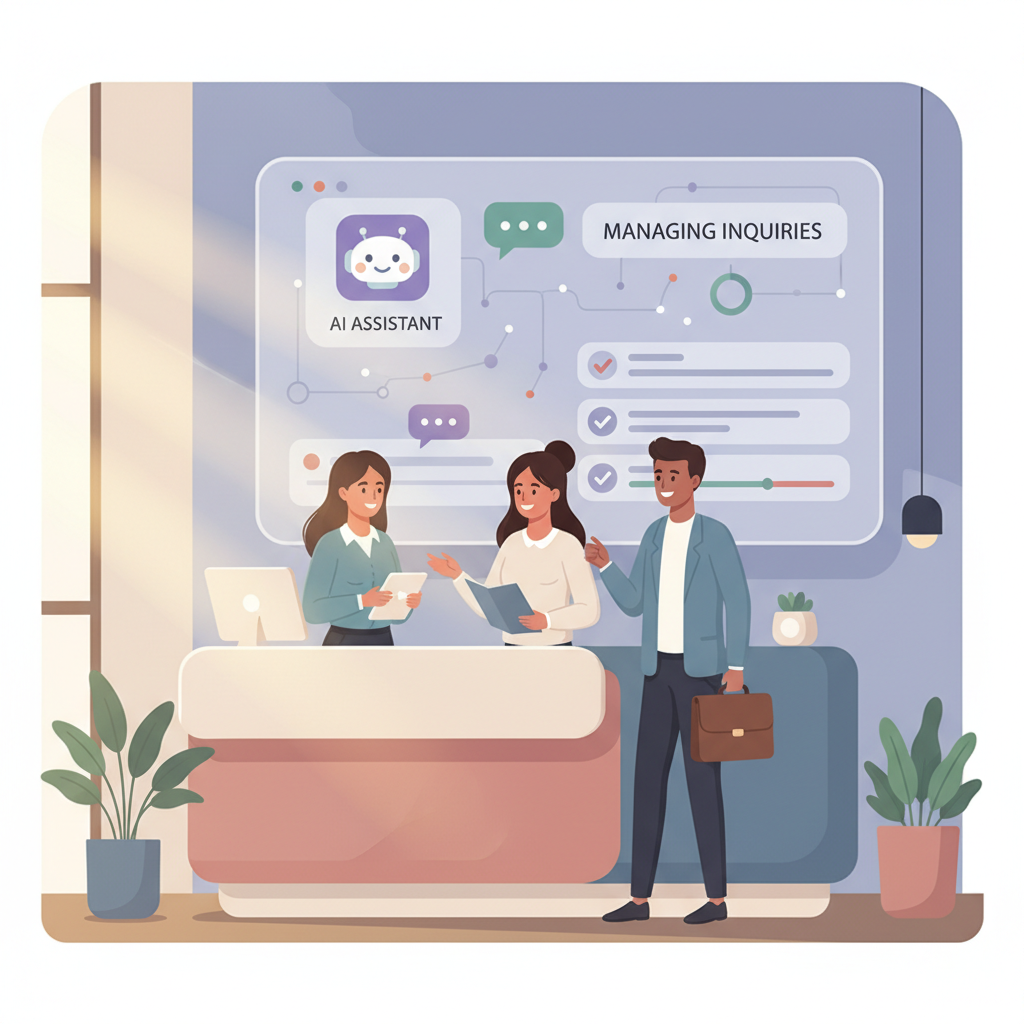 Front desk staff are often overwhelmed by a constant stream of phone calls, scheduling requests, and administrative tasks. Integrating an AI receptionist directly into your central database can reduce the volume of incoming calls that staff must handle by up to 70% [4]. By automating routine inquiries, the technology frees up in office staff to focus on high priority, in person client service. When the AI handles the bulk of repetitive calls, the administrative burden drops dramatically. Enterprise grade client engagement platforms report saving office staff two to three hours daily on manual phone calls and administrative tasks [4]. This time savings translates directly into better service for the clients who are physically present in your office. Furthermore, this deep integration dramatically improves access to services.
What Is the Financial Return on Investment?
Some business owners view AI receptionists as a way to cut headcount, but the actual economic benefits extend far beyond simple wage savings. Offices deploying AI receptionists report an impressive 5x to 12x return on investment (ROI) in their first year [4]. The primary financial drivers behind this high ROI include: - After Hours Call Capture: Approximately 23.6% of after hours calls handled by AI receptionists result in a successful booking or lead [4]. This captures valuable opportunities during evenings and weekends that would otherwise go to voicemail.
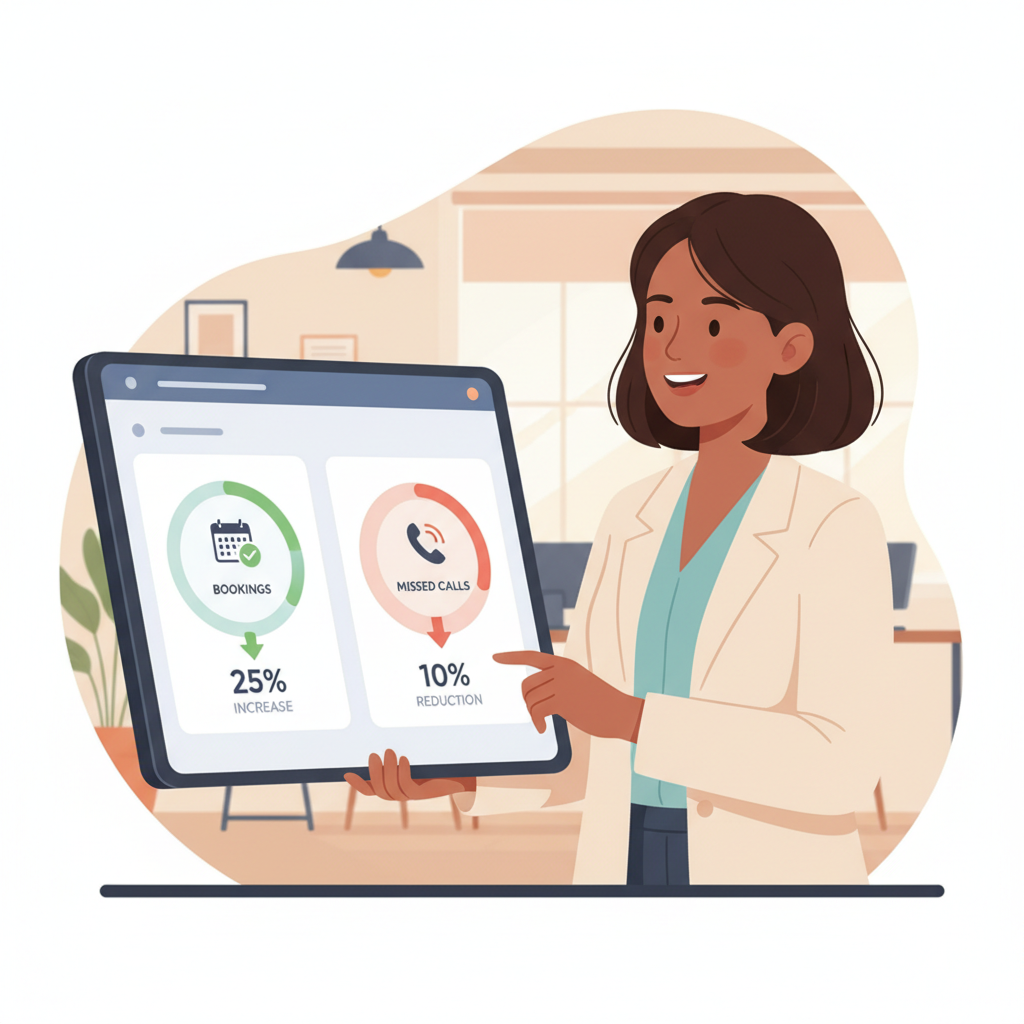
- No Show Recovery: Implementing an integrated AI receptionist typically leads to a 35% to 50% reduction in client no shows and cancellations [4]. The AI automates personalized appointment reminders, confirmations, and immediate rescheduling workflows directly within the booking system.
- Improved Client Recall: The AI can automatically reach out to past clients to schedule follow up appointments, maintaining a steady flow of business. When you compare these financial gains against the affordable pricing plans of modern AI front desk solutions, the decision to upgrade becomes clear. At About Conversify, we design our tools to maximize these specific revenue drivers, ensuring your business captures every possible booking.
How to Implement an EMR Connected AI
Receptionist 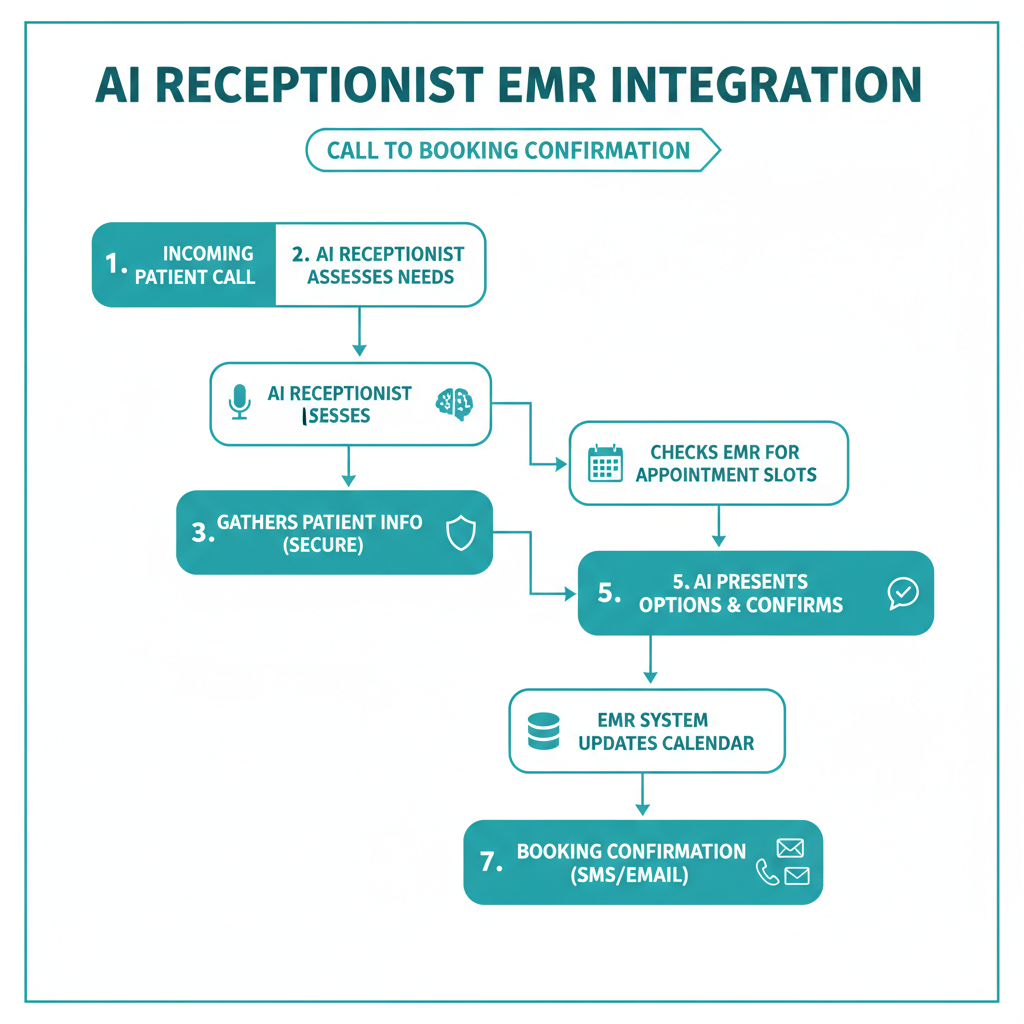 Transitioning to an automated front desk does not have to be complicated. By following a structured implementation process, you can seamlessly integrate an AI assistant into your existing operations: - Step 1: Identify Your Integration Needs. Determine which database, EMR, or scheduling platform your business currently uses. Ensure your AI partner supports direct integration with this software.
- Step 2: Choose Your Integration Level. Aim for at least a Level 3 (Read and Write) integration [5]. This ensures the AI can write bookings directly to your calendar without requiring manual data entry from your staff.
- Step 3: Define Your Scheduling Rules. Establish clear parameters for the AI. Specify which services can be booked online, which staff members are available, and how much buffer time is needed between appointments.
- Step 4: Train and Tune the Conversational AI. Customize the AI's tone, greeting, and responses to match your brand. Survey data shows a high client acceptance rate of 85% to 92% when the conversational AI is properly tuned [4].
- Step 5: Monitor and Optimize. Track key metrics such as call capture rates, booking accuracy, and staff hours saved. Use these insights to continually refine the AI's performance.
How Does Conversify Compare to Traditional Messaging Tools?
Many businesses attempt to automate customer communication using basic messaging platforms like ManyChat, respond.io, or Intercom. While these tools are excellent for simple marketing campaigns or basic web chat, they fall short when it comes to deep front desk automation. Traditional tools typically operate at Level 1 or Level 2 integration. They can collect contact information or display static FAQs, but they cannot write directly to your booking database or manage live schedules. This leaves your staff with the manual task of copying data from the chat tool into your EMR. Conversify, by contrast, is built specifically for deep database integration. It operates at Level 3 and Level 4 capability, allowing it to read live availability, write bookings directly to your calendar, and automatically update client files. This eliminates manual data entry entirely and provides a seamless experience for your clients. Integrating an EMR connected AI receptionist is one of the most impactful steps a service business can take to capture missed revenue, streamline operations, and free up valuable staff time. By automating the scheduling process and syncing directly with your central database, systems like Conversify ensure your front desk operates flawlessly around the clock. If you are ready to eliminate missed calls and boost your booking efficiency, explore our pricing plans today to find the perfect fit for your business.
Frequently Asked Questions
What is an EMR connected AI receptionist?
An EMR connected AI receptionist is an intelligent assistant that integrates directly with a business's Electronic Management Record (EMR) or booking database. It automatically answers calls, schedules appointments, and updates client records in real time.
How does an AI receptionist reduce missed call revenue loss?
The average business loses $200,000 to $500,000 annually from missed calls, with 85% of callers going to competitors if they cannot reach a representative [4]. An AI receptionist answers every call instantly, 24/7, capturing leads and booking appointments so no opportunities are lost.
Can the AI receptionist write appointments directly to my calendar?
Yes, provided the system has a Level 3 or Level 4 integration [5]. A Level 3 integration allows the AI receptionist to read live availability and write bookings directly into your EMR or scheduling database, eliminating the need for manual staff entry.
How does AI integration reduce client no-shows?
AI integrated receptionists reduce no-shows by 35% to 50% [4]. They achieve this by sending automated, personalized reminders and confirmations, and by allowing clients to instantly reschedule appointments through text or voice.
Do clients accept talking to an AI receptionist?
Yes, client acceptance rates range from 85% to 92% when the conversational AI is properly tuned [4]. Clients generally prefer getting an immediate, helpful response over waiting on hold for a human representative.
How much time can my staff save with an AI receptionist?
By automating routine scheduling and inquiries, an AI receptionist can reduce front desk call volume by up to 70% [4]. This saves staff an average of two to three hours daily, allowing them to focus on high-value, in-person client interactions.
Sources
David Friedman - Founder, Conversify · LinkedIn
David Friedman is a B2B operations leader with over 10 years of experience managing large-scale teams and business processes. After years of working with service businesses and seeing how much time was lost to manual customer communication, he founded Conversify, an AI-powered platform that helps healthcare practices and service providers across Europe automate their patient and client interactions. David built the platform from the ground up, working directly with practicing healthcare professionals to ensure every feature solves a real operational pain point. He is based in Spain.