

Best Time to Send Salon Review Requests: The Magic Window
Sending review requests at the right time is crucial for salons. Discover the exact timing window that maximizes customer feedback and boosts your Google ratings.
For hair salons and beauty businesses, the optimal wait time to send an automated review request is two to four hours after checkout [2], [4]. This specific delay allows clients to safely drive home, see their new hair in natural light, and experience peak emotional satisfaction before receiving a request. While customers are generally most willing to leave feedback within two hours of a positive experience, waiting too long is highly detrimental. In fact, customer willingness to leave a review drops by roughly 70 percent within 24 hours of checkout [1], [4]. By utilizing a dedicated review automation and request flow, salons can target this precise magic moment. This structured approach helps personal service businesses capture high-satisfaction feedback instantly, achieving an impressive 18 percent to 25 percent review conversion rate via SMS [2], [3]. This makes a properly timed automated message one of the most effective tools for local reputation management. To learn more about optimizing your customer communications, you can read our related articles. >
Key Takeaways
* The optimal window for sending salon review requests is 2 to 4 hours after checkout.
* Willingness to leave a review drops by 70 percent within 24 hours of the appointment.
* Automating review requests increases conversion rates to 15 percent to 30 percent, compared to only 2 percent to 5 percent for manual requests.
* Wednesdays and Saturdays between 10 AM and 2 PM are the highest-converting times.
The Psychology of the Magic Moment in
Salon Services Over 98 percent of consumers read online reviews before choosing a local business, making personal services like hair, lashes, and nails highly dependent on active reputation management [2], [9]. Because salon clients almost always research before booking, a consistent flow of fresh reviews is essential to stay competitive. But how do you capture these reviews? It starts with understanding the psychology of your clients. Customers are most willing to leave a review within 2 hours of a positive experience, after which willingness to leave feedback drops by roughly 70 percent within 24 hours [1], [4]. This highlights the critical magic moment window for service businesses like salons, where waiting too long significantly decreases the likelihood of a response. The emotional high of a new haircut, fresh color, or perfect manicure is strongest immediately after checkout. If you wait until the next day, the excitement has faded, and everyday tasks take over. Capturing this sentiment requires a system that works in real time. 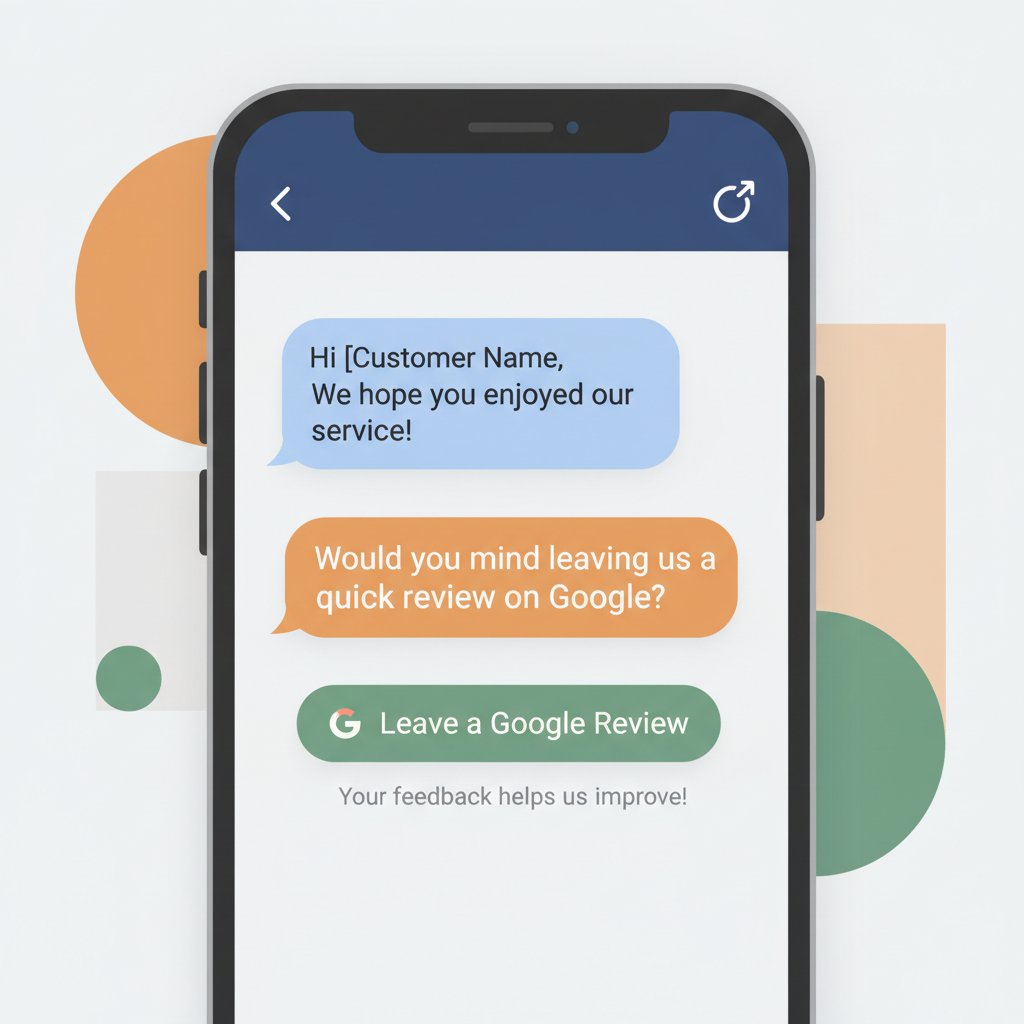
Why 2 to 4 Hours is the Ultimate Sweet
Spot While the magic moment starts immediately, texting a client the second they walk out the door can feel intrusive or rushed. The optimal sweet spot for automated salon review requests is 2 to 4 hours after checkout [2], [4]. This brief delay is highly strategic. It allows the client to leave the salon, see their hair in natural light, and safely drive home before receiving a text or WhatsApp message [2]. Sending a message too quickly might catch them while they are still behind the wheel, leading to a forgotten notification. Waiting 2 to 4 hours strikes the perfect balance, catching them while the positive feeling is still fresh but after they have settled back into their routine.
The High Conversion of SMS and WhatsApp
Automation Many salon owners rely on their stylists to manually ask for reviews, but this approach is highly inefficient. Implementing an automated review request system can increase review collection rates to 15 percent to 30 percent, compared to just 2 percent to 5 percent for manual requests [1], [3]. Automation removes the friction of staff forgetting to ask and provides clients with a direct link to leave feedback instantly. Furthermore, hair salons and barbershops achieve an 18 percent to 25 percent SMS review conversion rate, which is among the highest of any local service industry [2], [3]. This high conversion rate is driven by the short visit duration and high emotional satisfaction associated with a fresh haircut or color. If you want to maximize these results, look to WhatsApp. Salons using automated WhatsApp review requests coupled with digital invoices see a 3x to 5x increase in monthly review volume within 90 days [1], [7]. Integrating the review request flow directly with the payment and invoicing step ensures high visibility and immediate action. 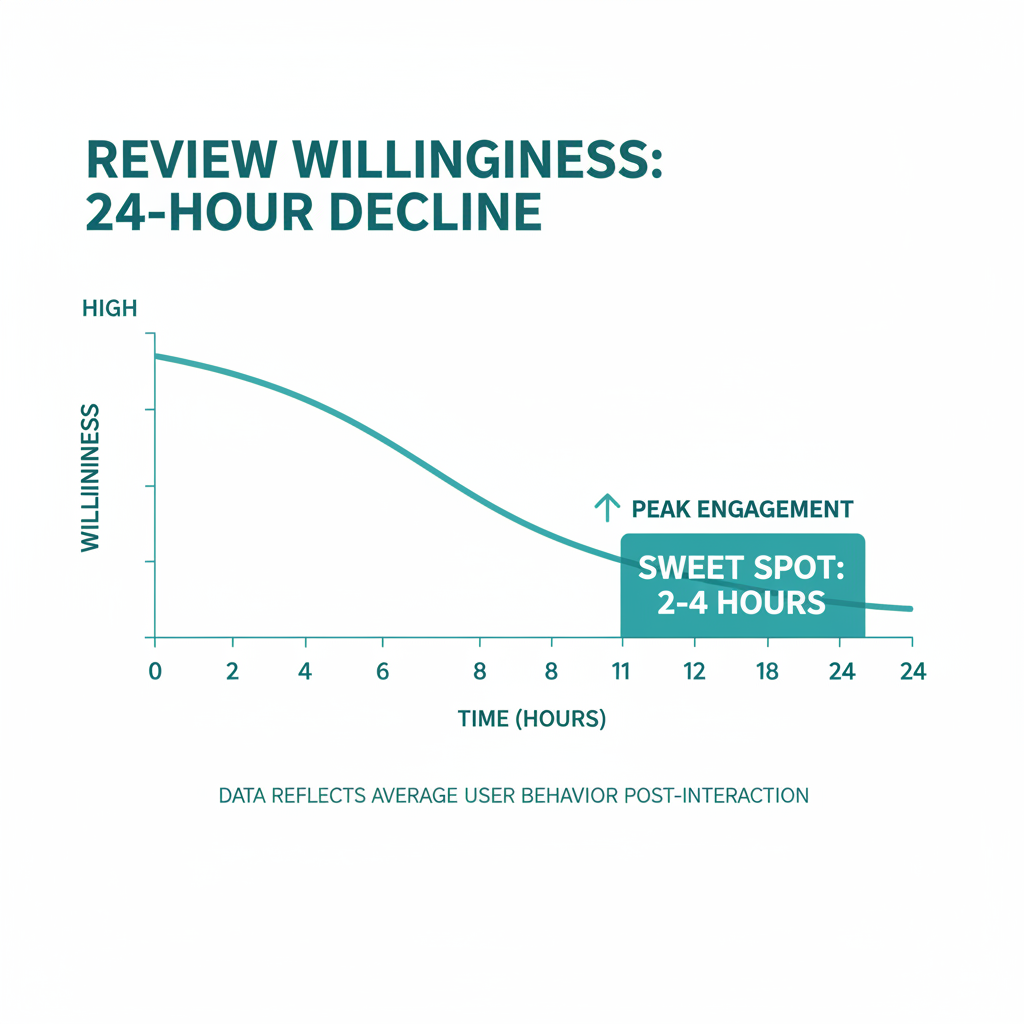
Timing and Days: When Do Clients Actually Respond?
Not all days and times are created equal when it comes to client engagement. To get the most out of your review automation and request flow, you should optimize the delivery schedule. Research shows that Wednesdays and Saturdays are the highest-converting days of the week for sending review requests [4], [8]. These days catch people either mid-week when they have a brief moment to spare or on the weekend when they are in a more relaxed, helpful mood. Additionally, the peak time of day for review request engagement is between 10 AM and 2 PM [4], [8]. This timeframe targets clients during their lunch breaks or midday downtime when they are most likely to check their phones and complete a quick task. By scheduling your automation to hold requests until these peak hours, you can significantly boost your response rates.
The Secret of the Automated Follow-Up
What happens if a client does not respond to your first message? Many business owners worry that sending a follow-up will annoy their customers, but the data suggests otherwise. Up to 80 percent of all reviews are generated from follow-up messages rather than the first ask [4], [5]. A gentle, automated nudge sent 5 to 7 days after the first request is highly effective and generally well-received by customers [4], [5]. If they were too busy during the initial 2 to 4 hour window, a friendly reminder a week later gives them a second chance to share their positive experience. This multi-step request flow ensures no opportunity is missed. 
Industry Comparison: Salons vs.
Healthcare and Wellness Clinics While salons thrive on immediate, high-emotion feedback, other industries require a different approach. For healthcare and wellness clinics, the ideal review request timing is 24 hours after the appointment, and the platform must support HIPAA-compliant messaging [1], [6]. Unlike salons, medical and wellness practices require a longer delay to allow patient reflection and must prioritize strict privacy standards [1], [6]. If you run a hybrid business or a medical spa, your review automation and request flow must adapt to these specific regulatory and psychological needs.
Choosing the Right Review Automation
Platform Salons and spas utilizing dedicated review automation platforms experience a 4.5x increase in Google reviews and maintain an average positive review rate of 93 percent [1], [9]. This demonstrates the power of a structured request flow in capturing the positive sentiment of satisfied clients. By automating the process, you remove the burden from your staff, eliminate human error, and build a consistent stream of fresh, positive feedback that keeps your chairs full.
Frequently Asked Questions
How does automated review collection compare to manual requests?
Implementing an automated review request system can increase review collection rates to 15 percent to 30 percent, compared to just 2 percent to 5 percent for manual requests [1], [3]. Automation removes the friction of staff forgetting to ask and provides clients with a direct link to leave feedback instantly.
Why is the 2-hour window so critical for customer feedback?
Customers are most willing to leave a review within 2 hours of a positive experience, after which willingness to leave feedback drops by roughly 70 percent within 24 hours [1], [4]. This highlights the critical magic moment window for service businesses like salons, where waiting too long significantly decreases the likelihood of a response.
How much can a dedicated review automation platform increase Google reviews?
Salons and spas utilizing dedicated review automation platforms experience a 4.5x increase in Google reviews and maintain an average positive review rate of 93 percent [1], [9]. This demonstrates the power of a structured request flow in capturing the positive sentiment of satisfied clients.
What is the best way to use WhatsApp for salon reviews?
Salons using automated WhatsApp review requests coupled with digital invoices see a 3x to 5x increase in monthly review volume within 90 days [1], [7]. Integrating the review request flow directly with the payment and invoicing step ensures high visibility and immediate action.
Why do salons have such high SMS review conversion rates?
Hair salons and barbershops achieve an 18 percent to 25 percent SMS review conversion rate, which is among the highest of any local service industry [2], [3]. This high conversion rate is driven by the short visit duration and high emotional satisfaction associated with a fresh haircut or color.
What are the best days and times to send review requests?
Wednesdays and Saturdays are the highest-converting days of the week for sending review requests, particularly between 10 AM and 2 PM [4], [8]. This timeframe targets clients during their lunch breaks or midday downtime when they are most likely to check their phones and complete a quick task.
Sources
- [1] Ciela AI
- [2] Review Glow
- [3] Salon Boost
- [4] Kejoola
- [5] PowerReviews
- [6] CustomerFlows
- [7] CustomerFlows
- [8] Expert Reputation
- [9] TrueReview
David Friedman - Founder, Conversify · LinkedIn
David Friedman is a B2B operations leader with over 10 years of experience managing large-scale teams and business processes. After years of working with service businesses and seeing how much time was lost to manual customer communication, he founded Conversify, an AI-powered platform that helps healthcare practices and service providers across Europe automate their patient and client interactions. David built the platform from the ground up, working directly with practicing healthcare professionals to ensure every feature solves a real operational pain point. He is based in Spain.