How to Choose the Best AI Receptionist for Dental Practices
Choosing the best AI receptionist for dental practices requires evaluating HIPAA compliance, live scheduling integrations, and ROI. Learn how to stop missing high-value patient calls.
An AI receptionist for dental practices is an automated communication system designed to manage patient phone calls, schedule appointments, and streamline front office workflows. To choose the best solution, a practice must focus on HIPAA compliance, direct integration with major Practice Management Systems, and 24/7 availability, which captures up to 40% of booking opportunities that occur outside regular business hours [11].
Modern dental clinics face a high volume of missed calls, with the average dental practice missing 20% to 38% of its incoming calls during regular business hours [1]. Because only about 14% of new patients will leave a voicemail if their call goes unanswered [2], finding a solution that answers instantly is vital. Implementing a specialized AI receptionist solves this by integrating with platforms like Dentrix or Open Dental to book appointments in real time [9].
When evaluating options, practices must look beyond generic chatbots like ManyChat or Tidio, which do not meet HIPAA security requirements [5]. Instead, look for healthcare-specific systems or verified compliant tiers of enterprise communication tools to protect patient data while automating intake.
Why Do Dental Practices Need an AI Receptionist?
Managing a busy dental office is a constant balancing act. Front desk staff are frequently required to treat in-office patients while simultaneously handling incoming phone calls and managing administrative tasks. This high workload is the primary reason why the average dental practice misses 20% to 38% of its incoming phone calls during regular business hours [1].
When a call is missed, the financial consequences are immediate and severe. Only about 14% of new dental patients will leave a voicemail if their call goes unanswered [2]. The remaining 86% of prospective patients generally hang up and call a competing practice, resulting in direct patient acquisition loss [2].
To put this in perspective, the average lifetime value of a single dental patient can reach up to $8,000 to $10,000 [12]. Missing even a handful of new patient calls each month can devastate a clinic's growth. For instance, a mid-sized dental practice receiving 800 calls per month can lose over $151,000 annually from unanswered calls alone [3]. This calculation assumes a 35% miss rate, with 30% of those missed calls being new patient inquiries converting at a 50% rate with a $300 average first-visit production value [3].
To understand how automated systems can scale your practice, explore our pricing plans or read more About Conversify to see how our unified communication solutions help clinics retain patients and capture every opportunity.
Key Features to Look For in a Dental AI Receptionist
Choosing the right AI receptionist for dental practices requires analyzing specific features that go beyond basic auto-responders.
Direct Practice Management System (PMS) Integration
A true dental AI receptionist must integrate directly with major Practice Management Systems such as Dentrix, Eaglesoft, and Open Dental [9]. Systems like Arini AI and Pearla offer deep synchronization, allowing them to read live operatory availability and schedule appointments in real time [9]. This ensures that when the AI books an appointment, it writes the slot directly into the practice's schedule without requiring manual data re-entry by the staff [9].
24/7 Availability and After-Hours Coverage
Approximately 40% of incoming dental practice phone calls occur after hours or during lunch breaks [11]. This off-hours call volume represents a significant portion of a practice's booking opportunities. An AI receptionist provides 24/7 coverage, capturing these leads when your team is away.
Automated Patient Intake and Triage
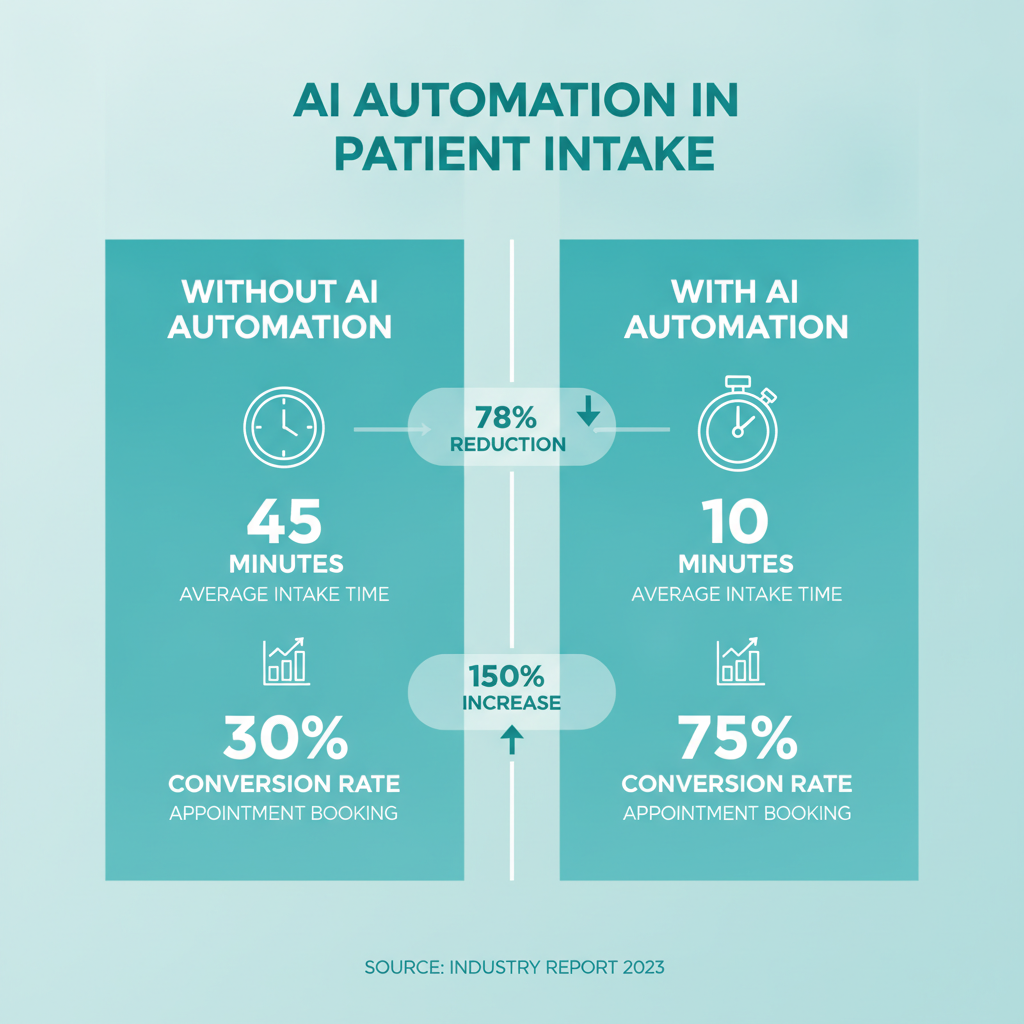
Implementing an AI patient intake solution like DoctorConnect can lead to up to a 20% higher appointment conversion rate and a 40% reduction in new patient intake time [10]. These platforms automate insurance capture, consent forms, and pre-visit triage, allowing dental practices to streamline their front-office workflows [10].
The HIPAA Compliance Trap: Why Generic Chatbots Fail
Patient privacy is protected by strict federal regulations. Many practices make the mistake of using generic communication tools, exposing themselves to massive legal liabilities.
ManyChat and Tidio
General-purpose chatbot tools like ManyChat and Tidio do not meet HIPAA requirements and are best suited for wellness settings where no protected health information (PHI) is involved [5]. These platforms lack the specialized healthcare architecture and clinical-grade data handling required to safely manage sensitive patient intake details [5].
Respond.io
While respond.io is a robust omnichannel messaging platform, its formal Business Associate Agreement (BAA) confirming HIPAA compliance, custom data retention, and voice channel support are strictly restricted to its Enterprise-tier custom contracts [6]. Healthcare practices looking to use respond.io for patient communication must upgrade to this enterprise level to legally transmit protected health information [6].
Intercom
Intercom supports HIPAA compliance and will sign a Business Associate Agreement, but this coverage is strictly limited to its Expert plan tier [7]. Lower-tier plans like Essential and Advanced lack the administrative and technical safeguards, such as audit logs and data redaction, required by the HIPAA Security Rule [7].
Furthermore, Intercom's SMS, email, and WhatsApp integrations are not HIPAA-compliant by default, even under a signed Business Associate Agreement [8]. Dental practices using these channels must either secure a separate compliant communication service or obtain explicit patient consent before transmitting protected health information [8].
Step-by-Step Guide: How to Select and
Implement Your AI Receptionist
To successfully implement an AI receptionist in your dental clinic, follow these essential steps:
- Step 1: Audit your current call volume and missed call rates. Identify when your peak hours are and how many calls go to voicemail. This establishes your baseline ROI.
- Step 2: Verify Practice Management System compatibility. Ensure the AI tool integrates natively with Dentrix, Eaglesoft, or Open Dental to avoid double-bookings and manual entry [9].
- Step 3: Define your compliance requirements. Confirm that the provider will sign a Business Associate Agreement (BAA) and that your plan tier supports it [7].
- Step 4: Evaluate the channels you need. Decide if you need voice support, SMS, WhatsApp, or web-based chat. Remember that channels like WhatsApp and SMS require extra compliance safeguards [8].
- Step 5: Run a pilot program and measure conversion. Track your appointment conversion rates and patient intake times to ensure you are hitting your target benchmarks [10].
Comparing Top Dental AI Receptionist Solutions
The table below provides a direct comparison of top communication and AI scheduling tools available for dental practices.
| Platform | HIPAA Compliant? | PMS Integration? | Core Focus |
|---|---|---|---|
| Arini AI / Pearla | Yes (Native) | Yes (Dentrix, Eaglesoft, Open Dental) [9] | Real-time scheduling and voice calls |
| DoctorConnect | Yes (Native) [10] | Yes [10] | Patient intake, consent forms, and triage |
| Intercom (Expert Tier) | Yes (Requires Expert Tier & BAA) [7] | No (Requires custom API setup) | Omnichannel web chat support |
| Respond.io (Enterprise) | Yes (Requires Enterprise & BAA) [6] | No (Requires custom API setup) | Multi-channel messaging and custom data retention |
| ManyChat / Tidio | No [5] | No | Basic wellness inquiries with no PHI |

Frequently Asked Questions
What percentage of dental practice
phone calls go unanswered?
The average dental practice misses between 20% and 38% of its incoming phone calls during regular business hours [1]. This high miss rate typically occurs during peak hours when front desk staff are simultaneously treating in-office patients and managing administrative tasks [1].
Can I use Tidio or ManyChat for my dental practice?
No, general-purpose chatbot tools like ManyChat and Tidio do not meet HIPAA requirements [5]. They are best suited for wellness settings where no protected health information is involved, as they lack the specialized healthcare architecture and clinical-grade data handling required to safely manage sensitive patient intake details [5].
Does Intercom support HIPAA compliance for dental clinics?
Yes, Intercom supports HIPAA compliance and will sign a Business Associate Agreement, but this coverage is strictly limited to its Expert plan tier [7]. Lower-tier plans like Essential and Advanced lack the administrative and technical safeguards required by the HIPAA Security Rule [7].
How do AI receptionists schedule appointments in real time?
Dental AI receptionists like Arini AI and Pearla integrate directly with major Practice Management Systems such as Dentrix, Eaglesoft, and Open Dental [9]. This deep synchronization allows them to read live operatory availability and write booked appointments directly into the practice's schedule without manual entry [9].
What is the financial impact of missed
calls for a dental practice?
A mid-sized dental practice receiving 800 calls per month can lose over $151,000 annually from unanswered calls alone [3]. This calculation assumes a 35% miss rate, with 30% of those missed calls being new patient inquiries converting at a 50% rate with a $300 average first-visit production value [3].
What percentage of dental offices currently
use AI receptionists?
Approximately 41% of dental offices utilize AI receptionists for appointment scheduling and confirmations [4]. This adoption rate reflects the growing reliance on automated systems to handle routine scheduling tasks and reduce the administrative burden on front-desk staff [4].
Transitioning to an AI receptionist for dental practices is no longer just an optional upgrade; it is a vital strategy for capturing missed revenue and ensuring clinical compliance. By selecting a system that natively integrates with your Practice Management System and fully supports HIPAA guidelines, you can protect your patient data while elevating your front-office efficiency. To explore how we can help you streamline patient communication across WhatsApp, SMS, and web channels, check out our related articles and start modernizing your patient intake workflows today.
Sources
David Friedman - Founder, Conversify · LinkedIn
David Friedman is a B2B operations leader with over 10 years of experience managing large-scale teams and business processes. After years of working with service businesses and seeing how much time was lost to manual customer communication, he founded Conversify, an AI-powered platform that helps healthcare practices and service providers across Europe automate their patient and client interactions. David built the platform from the ground up, working directly with practicing healthcare professionals to ensure every feature solves a real operational pain point. He is based in Spain.